Latest from BCA Research
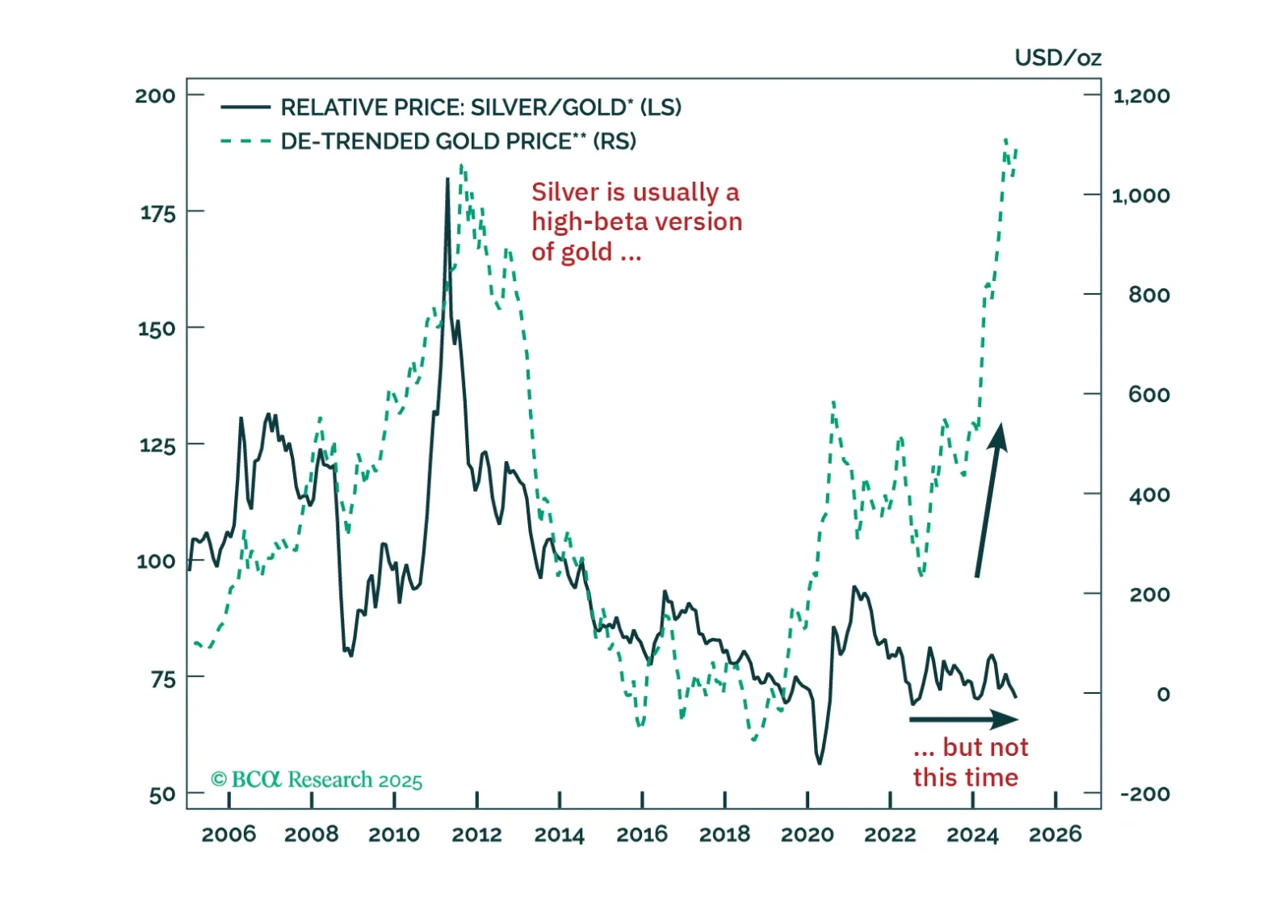
Last week’s tariff debacle kicks off a period of heightened global policy uncertainty under the new US administration. That is bad news for financial assets exposed to the business cycle. Meanwhile, it creates an opportunity for safe-haven assets to shine. Gold is capturing headlines for soaring to fresh record highs. Yet, what about the other precious metals? In this report, we argue that not all precious metals are created equal.
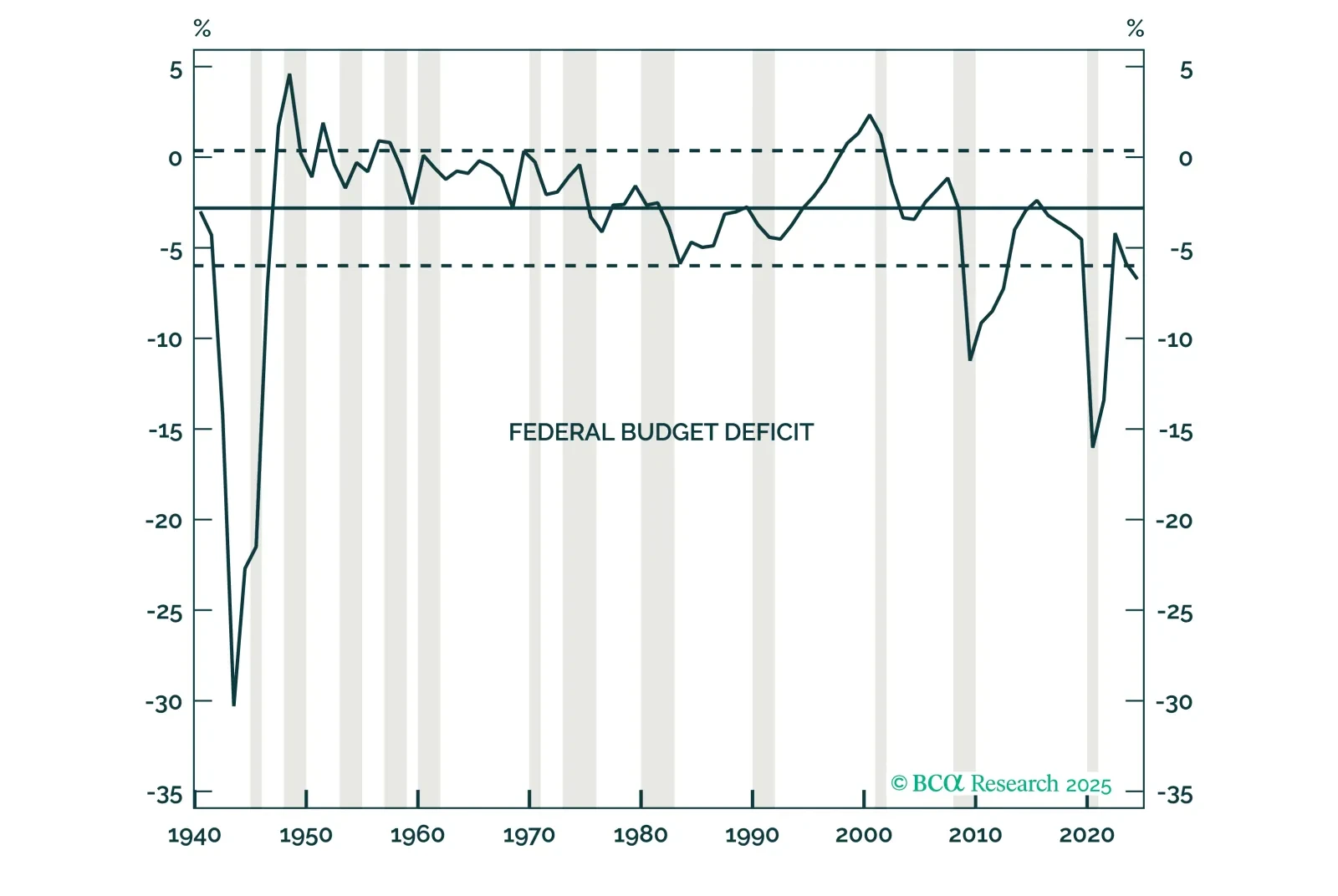
The 3-3-3 plan pitched by Treasury Secretary Scott Bessent will need several improbabilities to break its way if it is to meet its goals. We think it is much more likely that the plan will disappoint. Defensive asset allocations will outperform once it becomes clear that 3-3-3 will fall short, but we are currently neutral across the board because the disappointment may be months away.
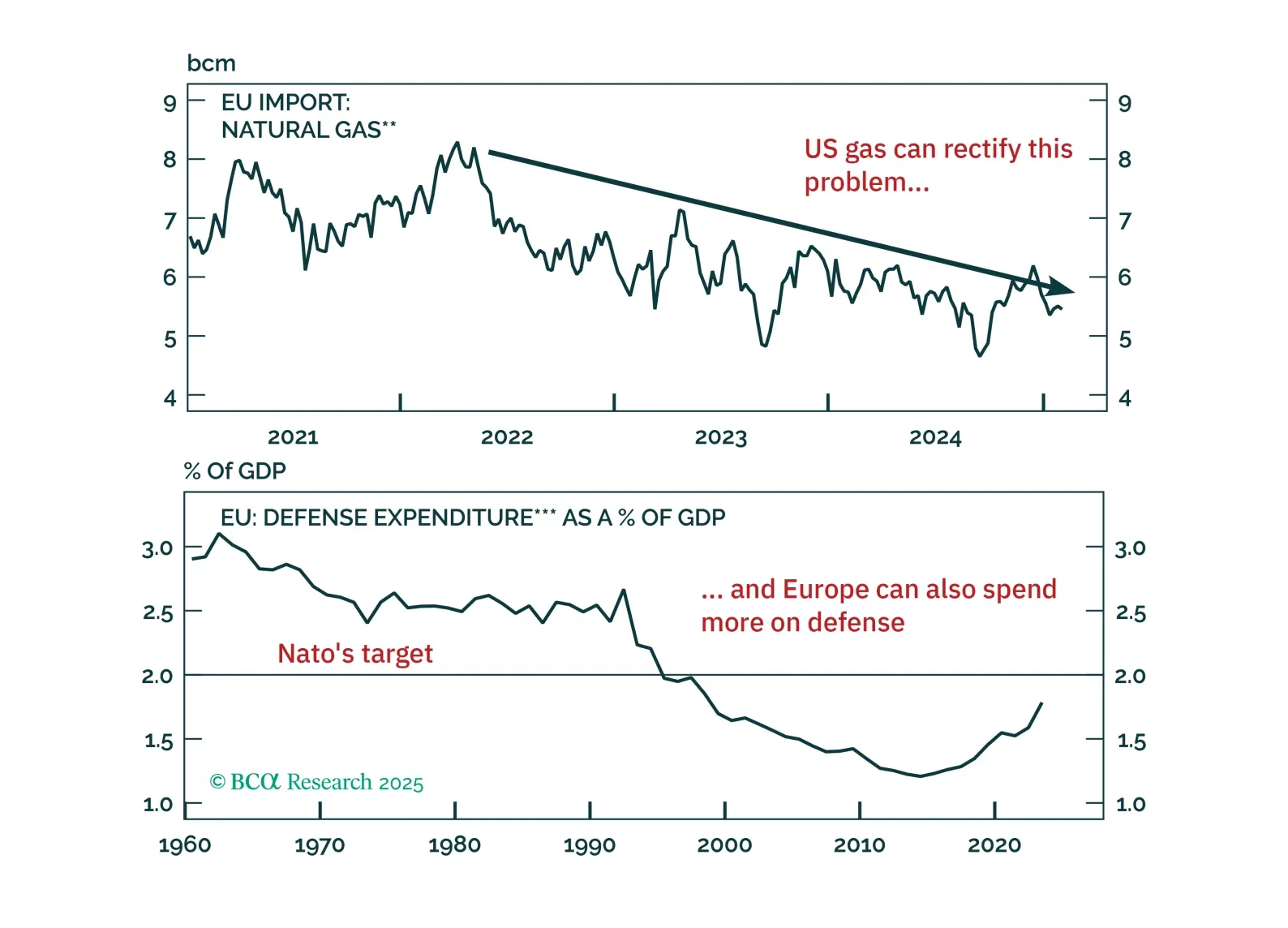
Europe is about to become President Trump’s next target. The good news: a US/EU trade war will be short as common ground to achieve a deal exists. The bad news: European assets remain at the mercy of heightened uncertainty. How should investors position themselves in this tricky context?
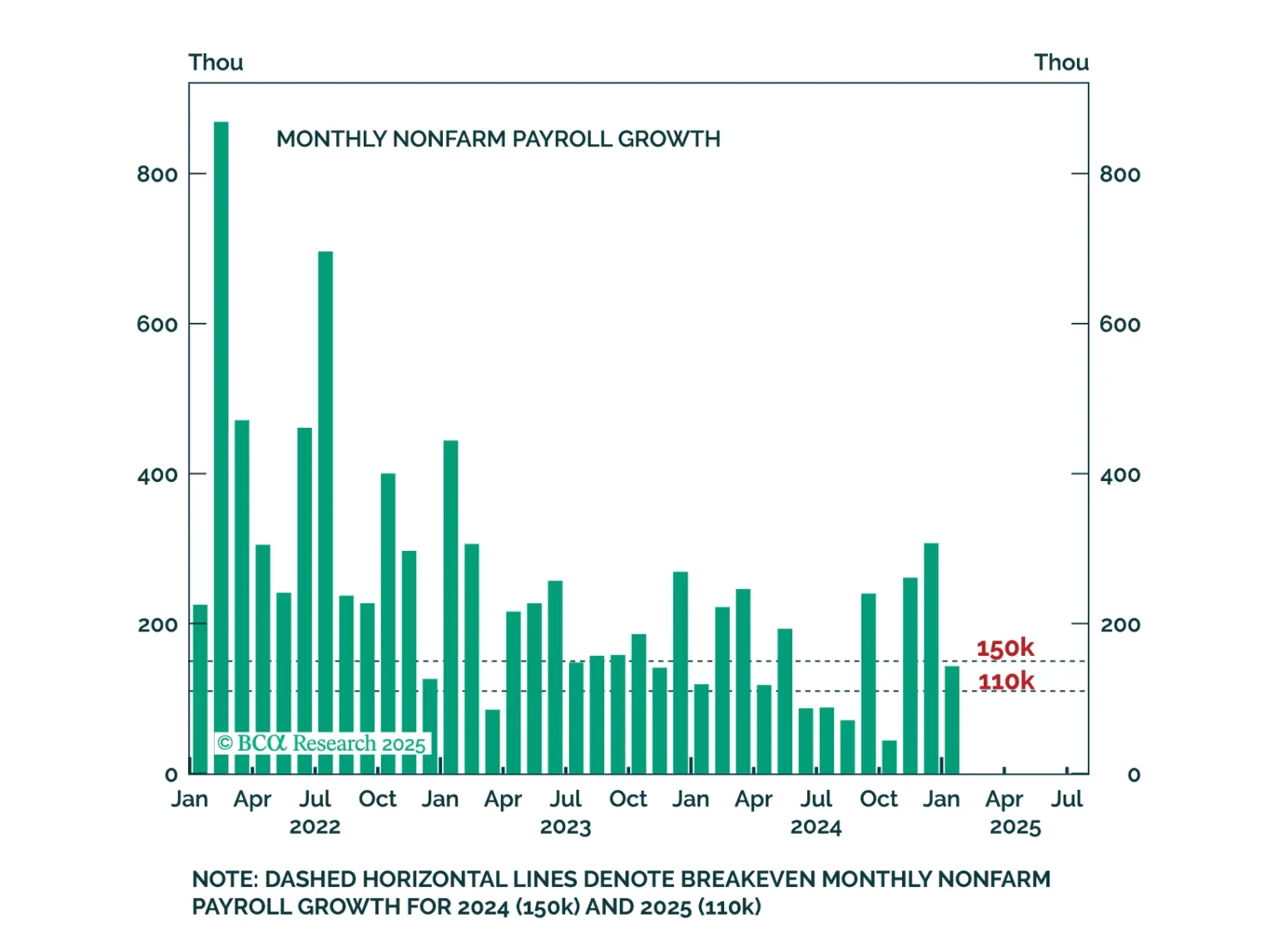
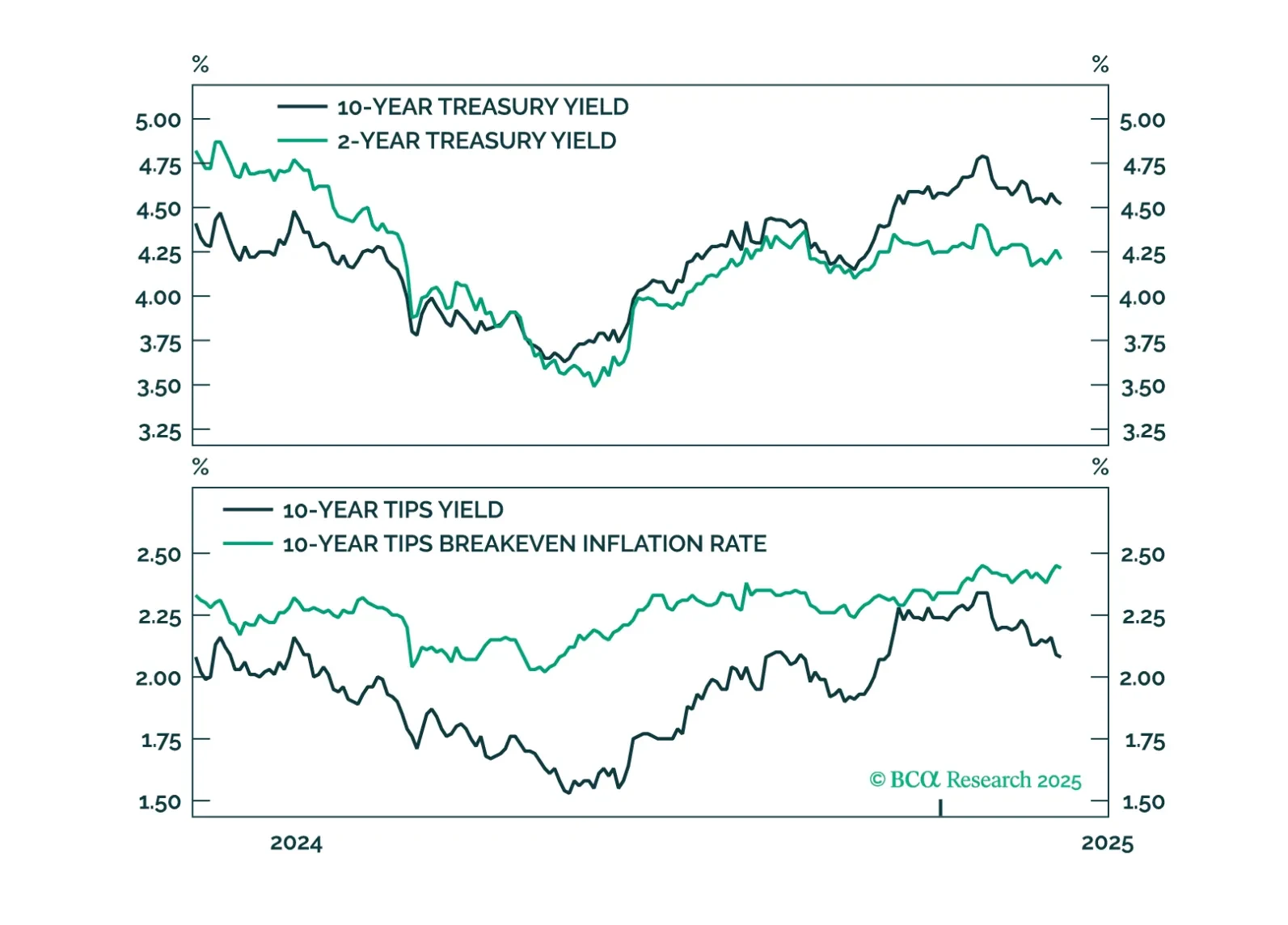
Some thoughts on this morning's employment data and Treasury Secretary Bessent's recent attempts to talk down the 10-year Treasury yield.
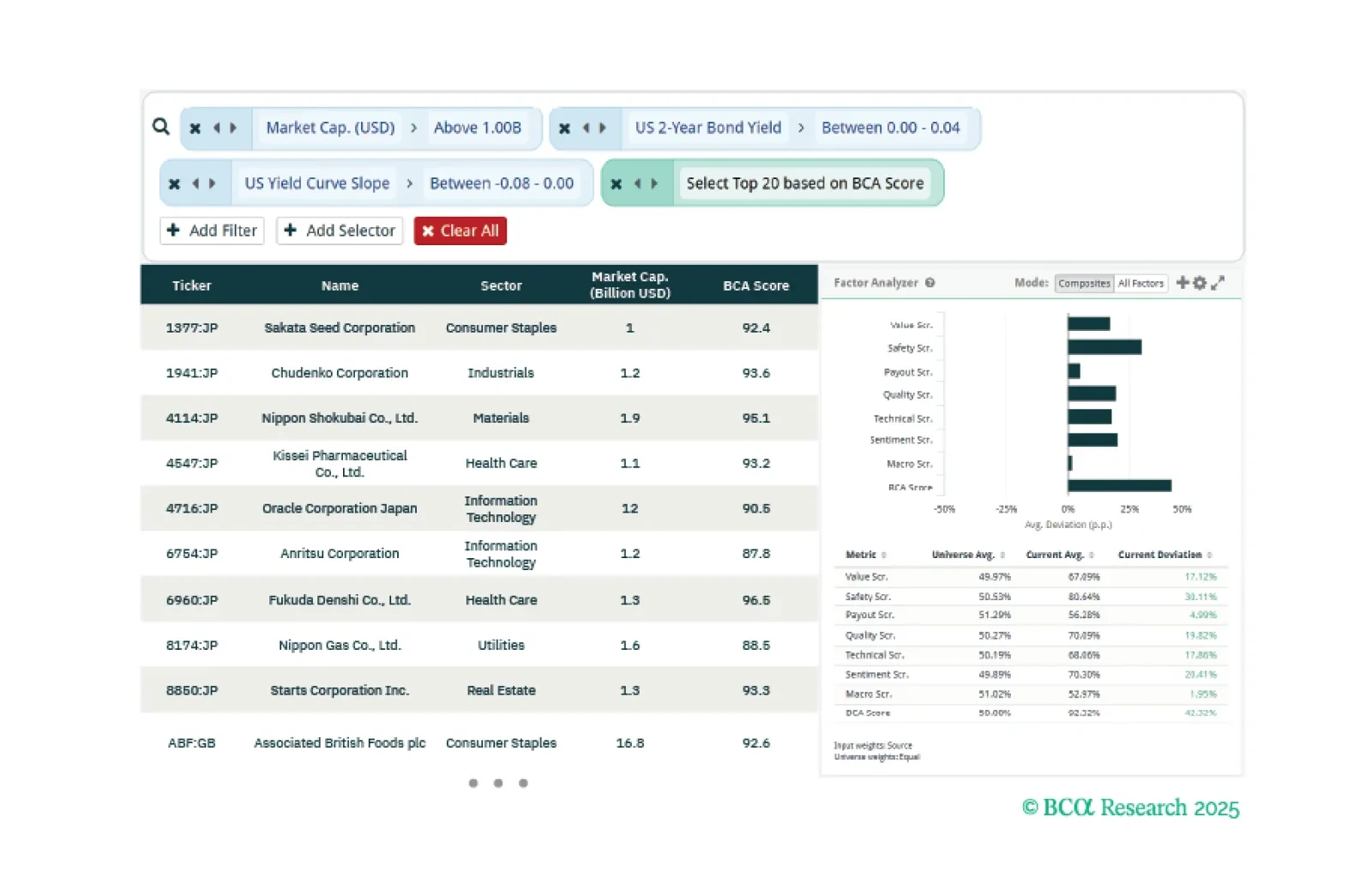
This week, our three screeners focus on providing equity insights based on the impact of tariffs, and trade policy uncertainty in general, helping clients identify stocks exposed to these shocks.
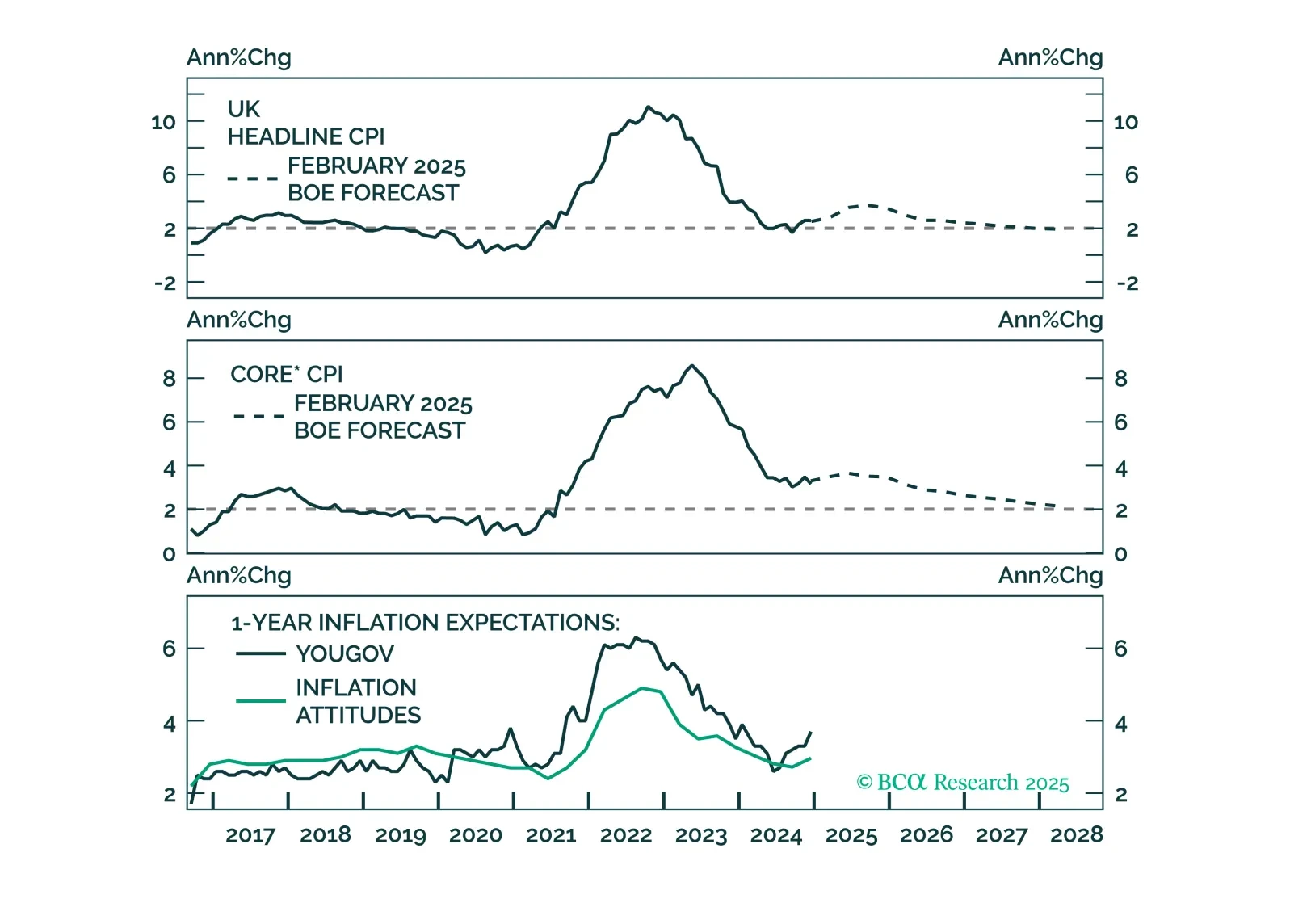
Following today’s Bank of England’s policy meeting, at which the policy rate was cut by 25 bps, we discuss our outlook for monetary policy in the UK. We expect the gradual easing to continue and discuss the investment implications for UK gilts and sterling.
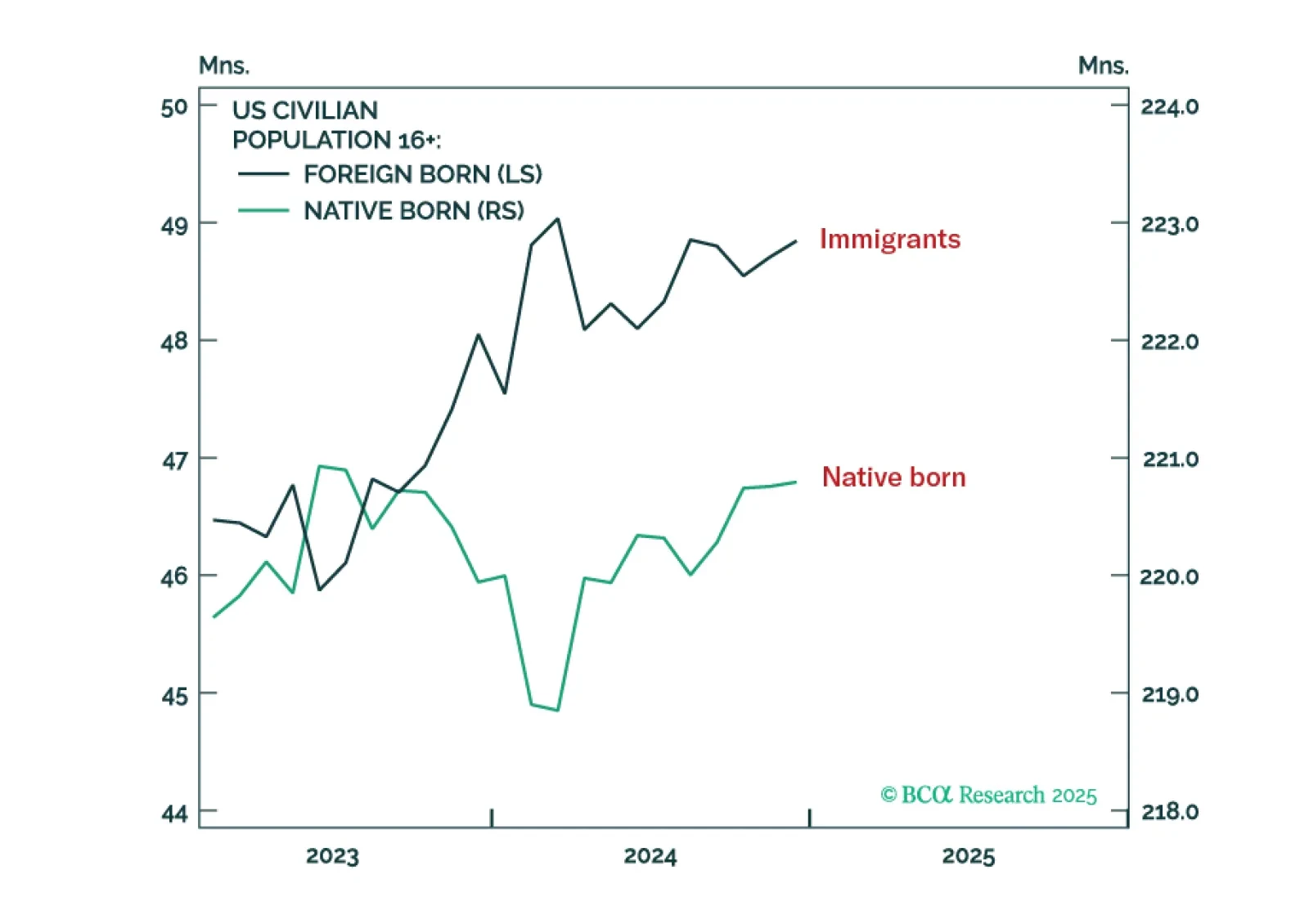
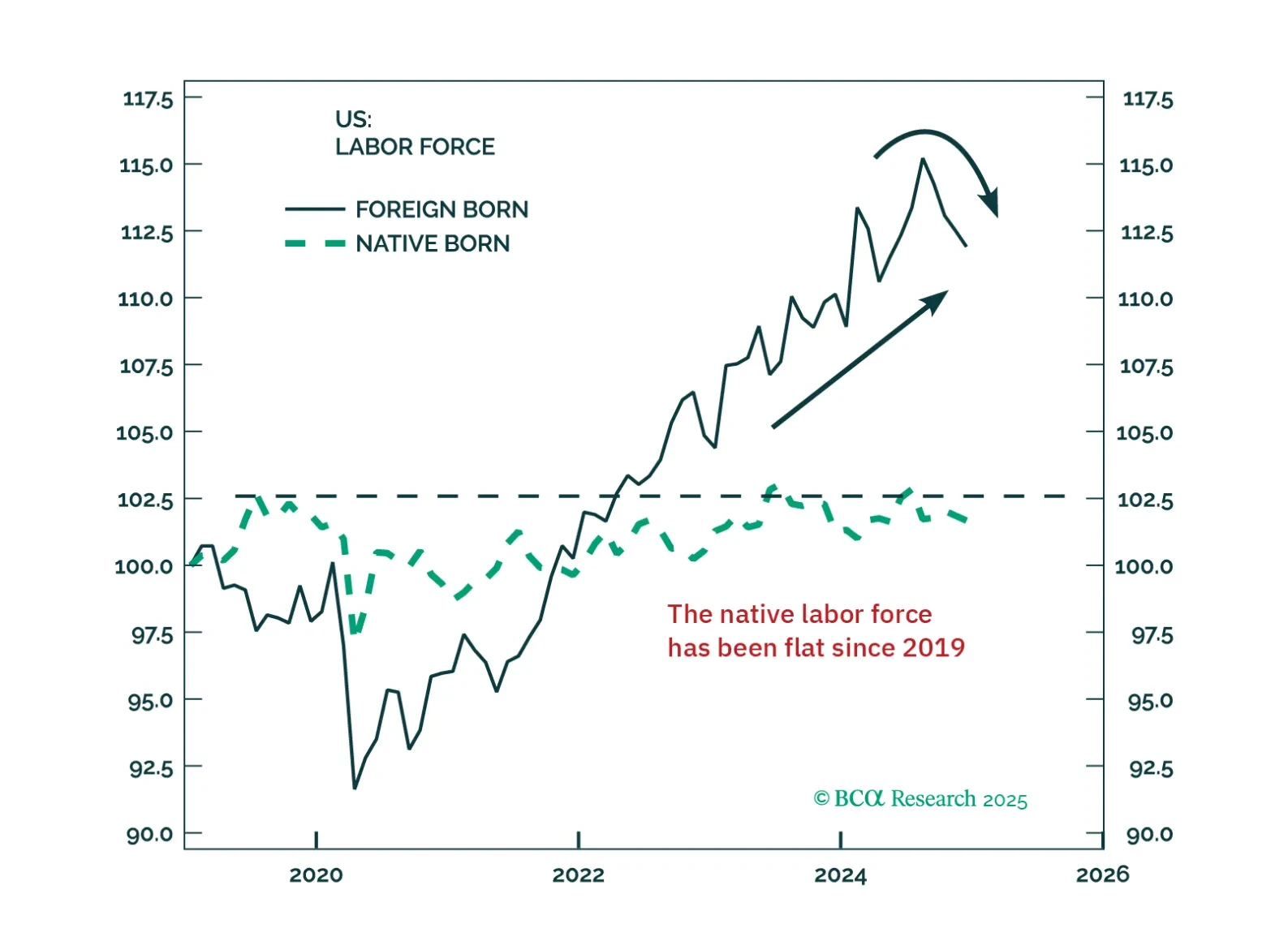
All the growth in the US labour supply since mid-2023 has come from immigration. This means if net immigration comes to a grinding halt, as Trump wants, it will hurt economic growth as well as keep the labour market supply-constrained. An increase in productivity growth could save the day, both to maintain growth and to kill inflation. Yet hopes that AI is about to usher an imminent and sustained boost to productivity growth are misplaced. Hence, expect a slowdown in US growth combined with inflation stuck close to 3 percent, a combination that I call a ‘mini stagflation’. We go through the investment implications. Plus: Tactically overweight Portugal versus Europe.
Our Portfolio Allocation Summary for January 2025.
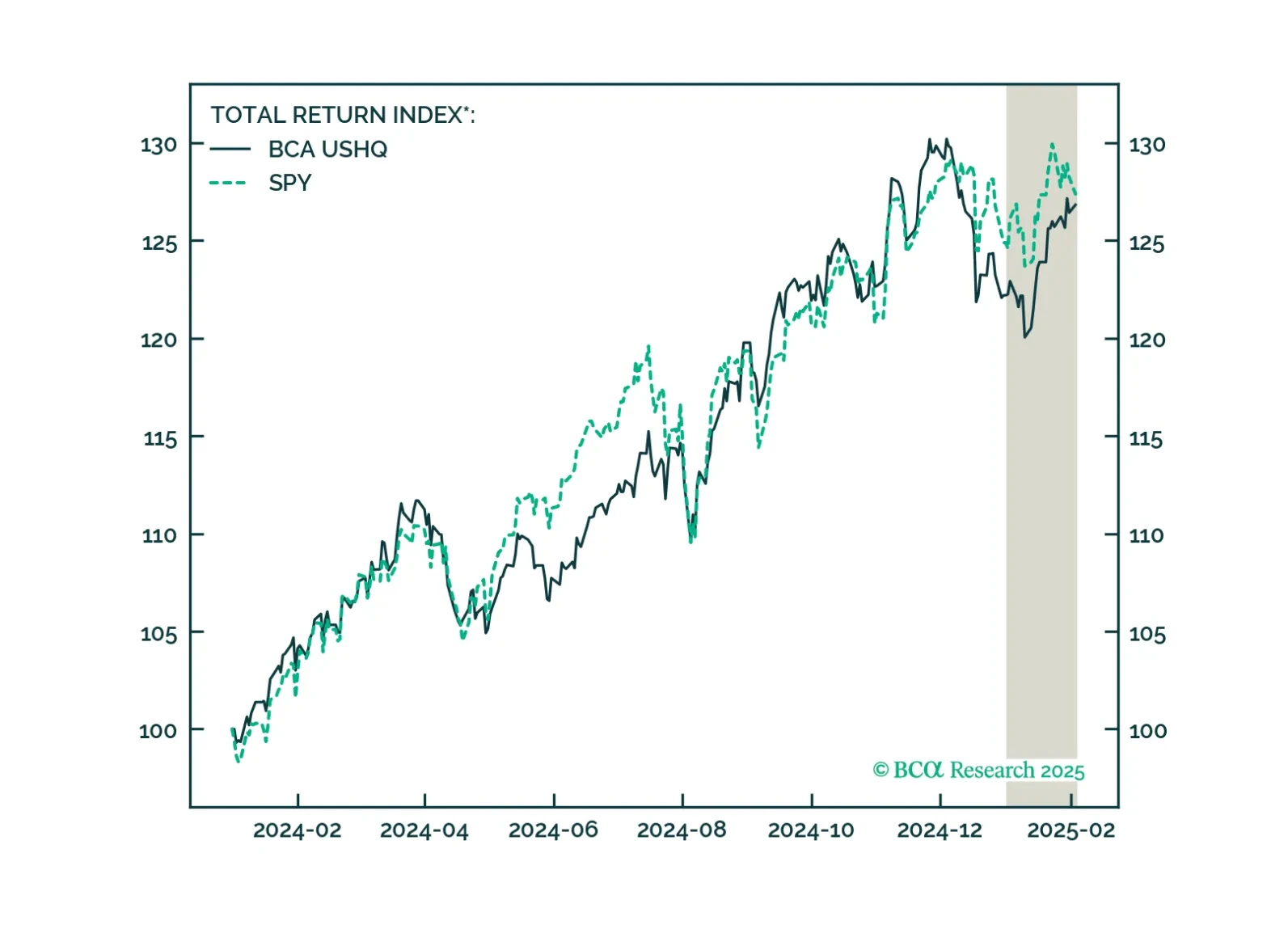
The US High-Quality (USHQ) portfolio slightly outperformed in January, returning 3.4%, whilst its SPY benchmark returned 2.9%. That said, we think the USHQ portfolio will have a solid run through the first half of 2025, benefitting from rising market risk on the back of President Trump’s tariff agenda. USHQ’s underlying Quality and Safety Score factor tilts will be increasingly favored as market uncertainty grows.