Economy

China's CPI and PPI inflation release for October indicates that deflationary pressures continue to dominate the domestic economy. After remaining unchanged in September, consumer prices declined by 0.2% y/y last month, falling below consensus estimates of a…
After surging in H2 2021/H1 2022, the Atlanta Fed's Wage Growth Tracker has been on a general downtrend for over a year. The latest reading of 5.2% in October – albeit unchanged from September – is considerably below the peak of 6.7% just over a year ago.…
In the short run – i.e., over the current Northern Hemisphere winter – natural gas storage levels will be sufficient to balance heating and industrial demand with flowing supplies, assuming a normal winter in the EU and US, according to our colleagues at BCA…
As expected, Euro Area retail sales continued to decline on both a month-over-month and a year-over-year basis in September. The 0.3% m/m drop is slightly below expectations of -0.2% m/m while the 2.9% y/y decline is not as bad as consensus estimates of -3.1%…
The US disinflationary trend remains intact. The core PCE deflator continued its downtrend in September, falling to 3.7% y/y from a peak of 5.6% in February 2022. Alternative measures of underlying price pressures such as the trimmed mean and median PCE…
US small-cap stocks have underperformed significantly this year. While the S&P 500 price index is up 14.0% year-to-date, the S&P 600 has lost 2.5%. However, this underperformance has not been a straight line down. Small caps benefited from a broadening of the…
The economies of Canada and Australia share many similarities. Both nations are major commodity exporters, but with overvalued housing markets and highly indebted consumers. Lately, however, a notable gap has appeared between the economic performance of…
According to BCA Research’s Emerging Markets Strategy service, Indonesia's “window of opportunity” to transition to a lower real interest rate regime – without jeopardizing the currency stability – has closed. This opportunity had opened thanks to an…
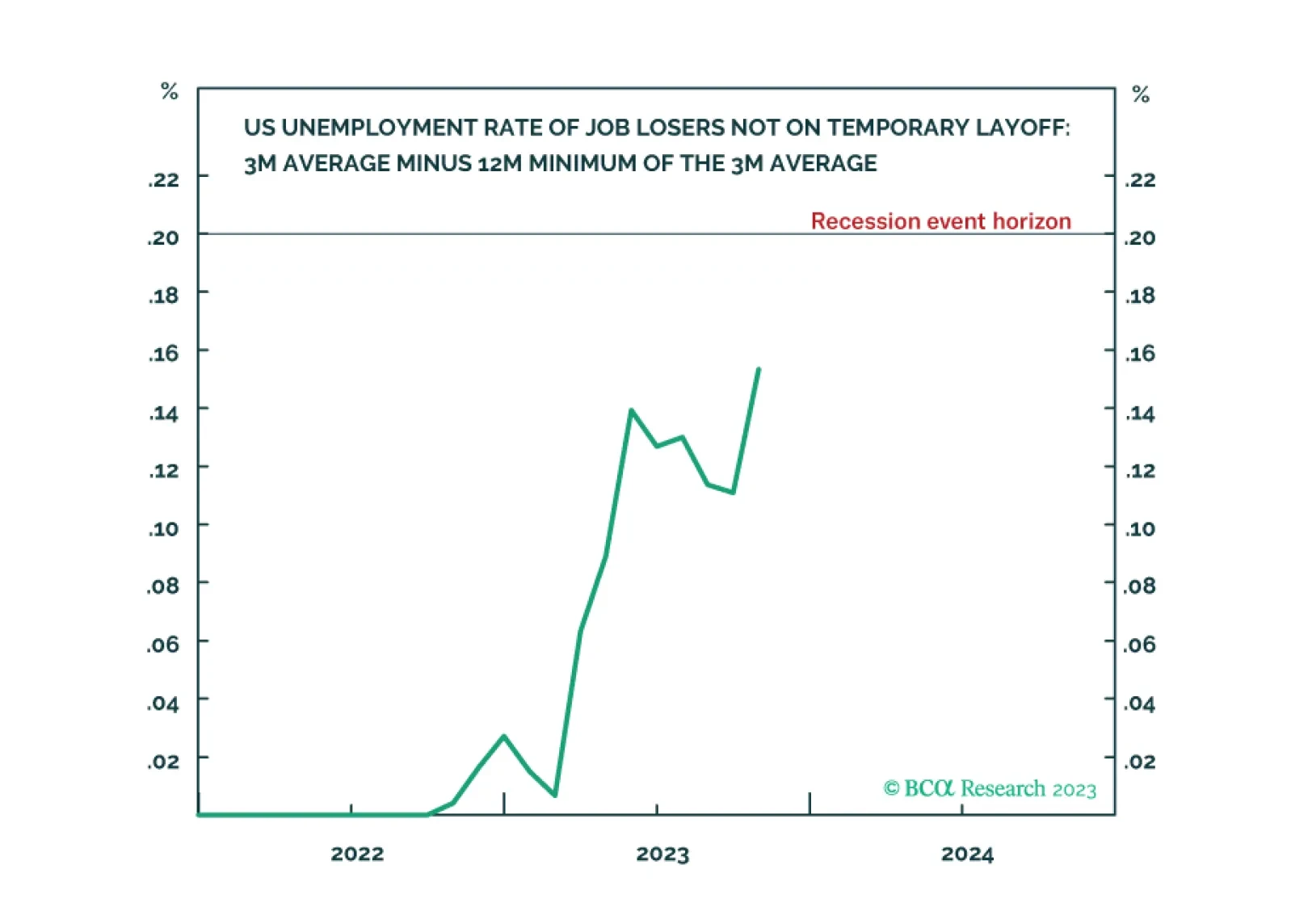
Following the October US jobs data, the ‘Joshi rule’ real-time US recession indicator increased from 0.11 to 0.15, meaning that it is fast approaching its event horizon of 0.20. We go through the investment implications. We also highlight a new long-term recommendation. Plus, the Norwegian krone is close to a potential rebound.
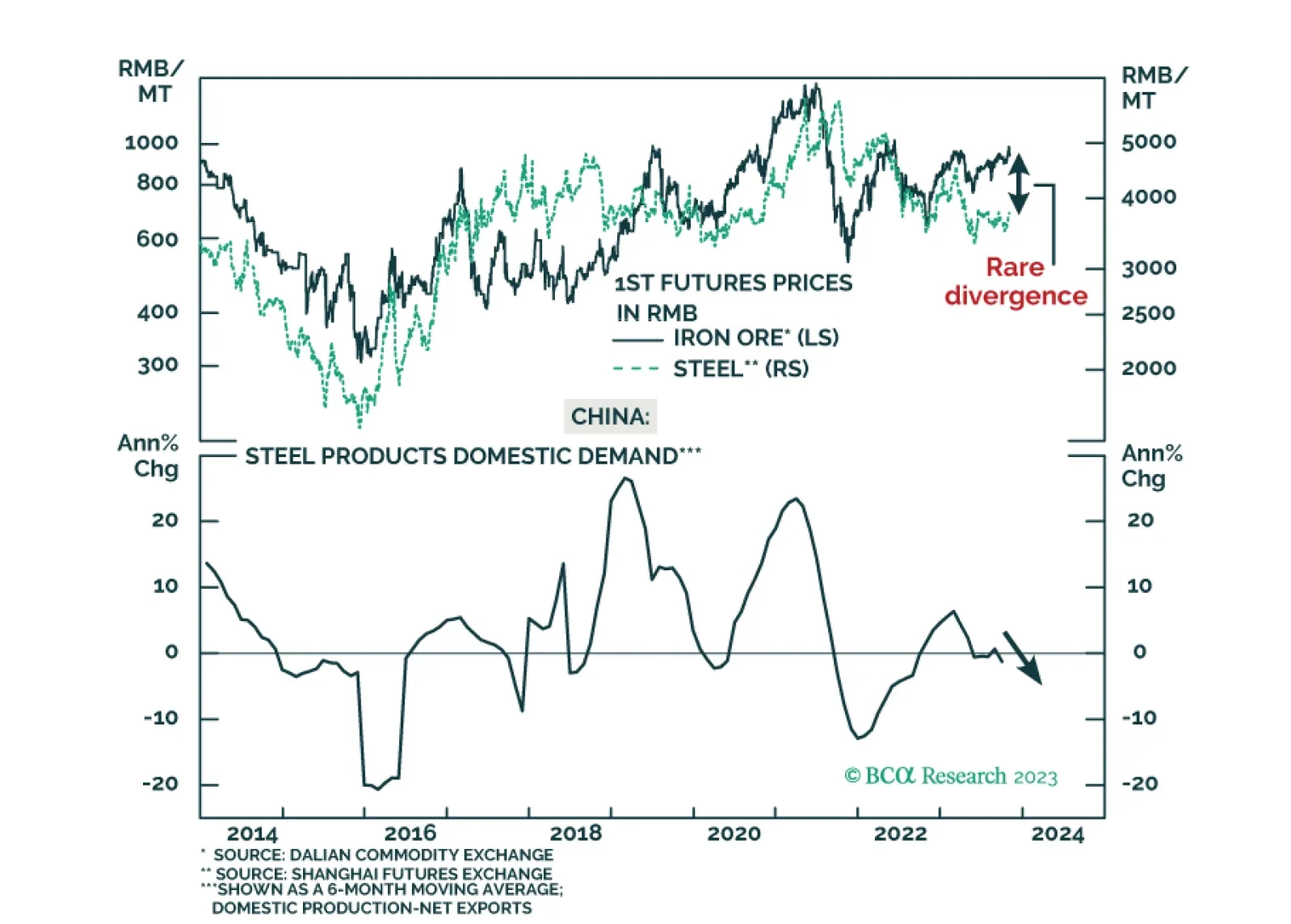
Increasing iron ore prices coupled with declining steel prices represent an unsustainable disparity. Iron ore prices will pivot downward in the next six months. A sizeable reduction in China’s steel production will likely occur, reducing global iron ore demand. Meanwhile, global iron ore supply will increase moderately.