
Skip to main content

Equities

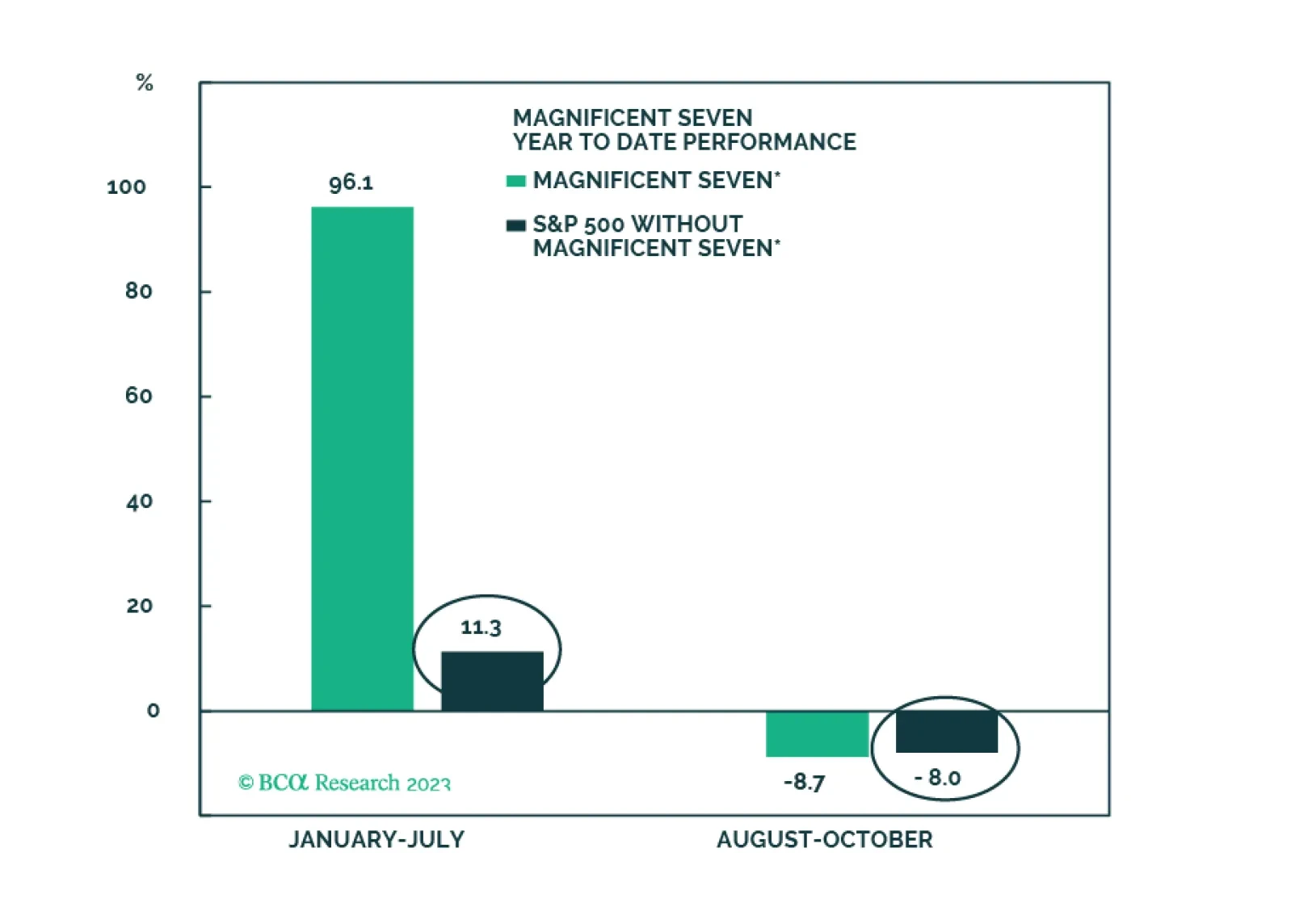
The Magnificent Seven constitute 26.7% of the S&P 500 and are the cohort responsible for the majority of S&P 500 returns this year. Fundamentals, and, specifically, the profitability of the group are behind the strong performance. If we compare the operating…

The Vicious Troika remains a long-term threat, but over the short term, rates will likely have another leg down on growth concerns, offering support to equities, which are now fairly valued and are no longer overbought. Longer-term outlook remains negative. The Magnificent Seven will likely lead a tactical rebound. Overweight Growth vs Value and FSemis.
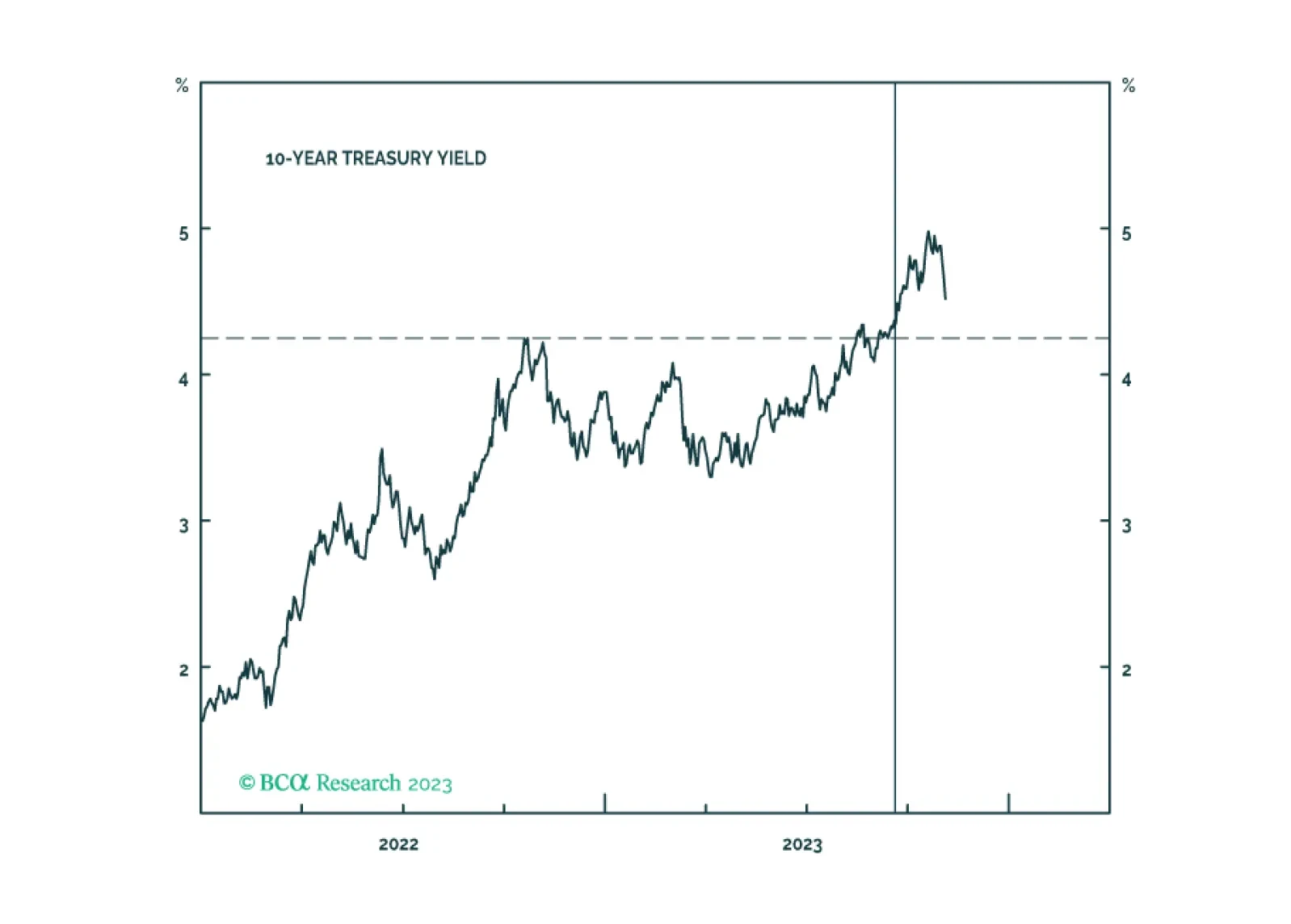
The S&P 500's 5.9% rally last week marks the greatest weekly price gain since November 2022. This sharp increase comes after a 10.3% selloff between the start of August and late-October, which put the benchmark in correction territory. A 36bps drop in the…

We consider several uncertainties in this week’s report, from the interest rate outlook to the source of the mountain of cash households have amassed since the pandemic began. We have not adjusted our tactical asset-allocation recommendations but will do so soon to align with the defensive cast of our cyclical recommendations.
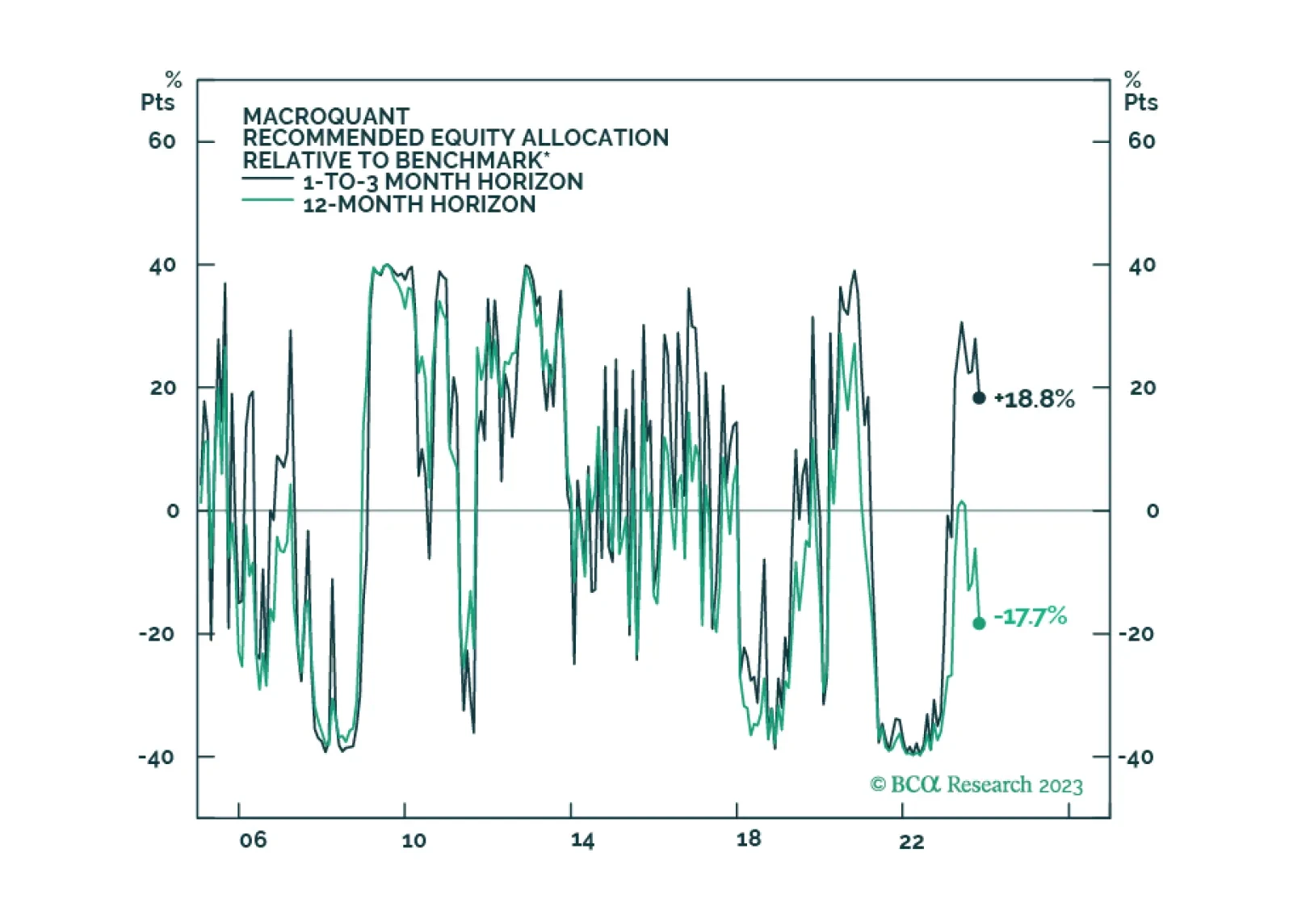
The US ISM PMI delivered a disappointing signal about service sector activity in October. The headline index fell from 53.6 to 51.8 – marking a sharp slowdown in activity and falling below expectations of a much more muted decline to 53.0. The index is now at…
The South African rand is the best performing major currency since the DXY peaked on October 3. Considering that the rand acts as a proxy for global sentiment towards emerging markets, its recent strength raises the question whether investors are becoming…
According to BCA Research's Geopolitical Strategy service, investors should reduce risk, increase allocation to safe havens, and brace for oil price volatility and supply disruptions stemming from the Middle East over the next zero-to-12 months. Recent news…

We are approaching another phase transition from boom to bust. Stocks should rally into year-end, but investors should look to reduce equity exposure early next year while increasing bond exposure.
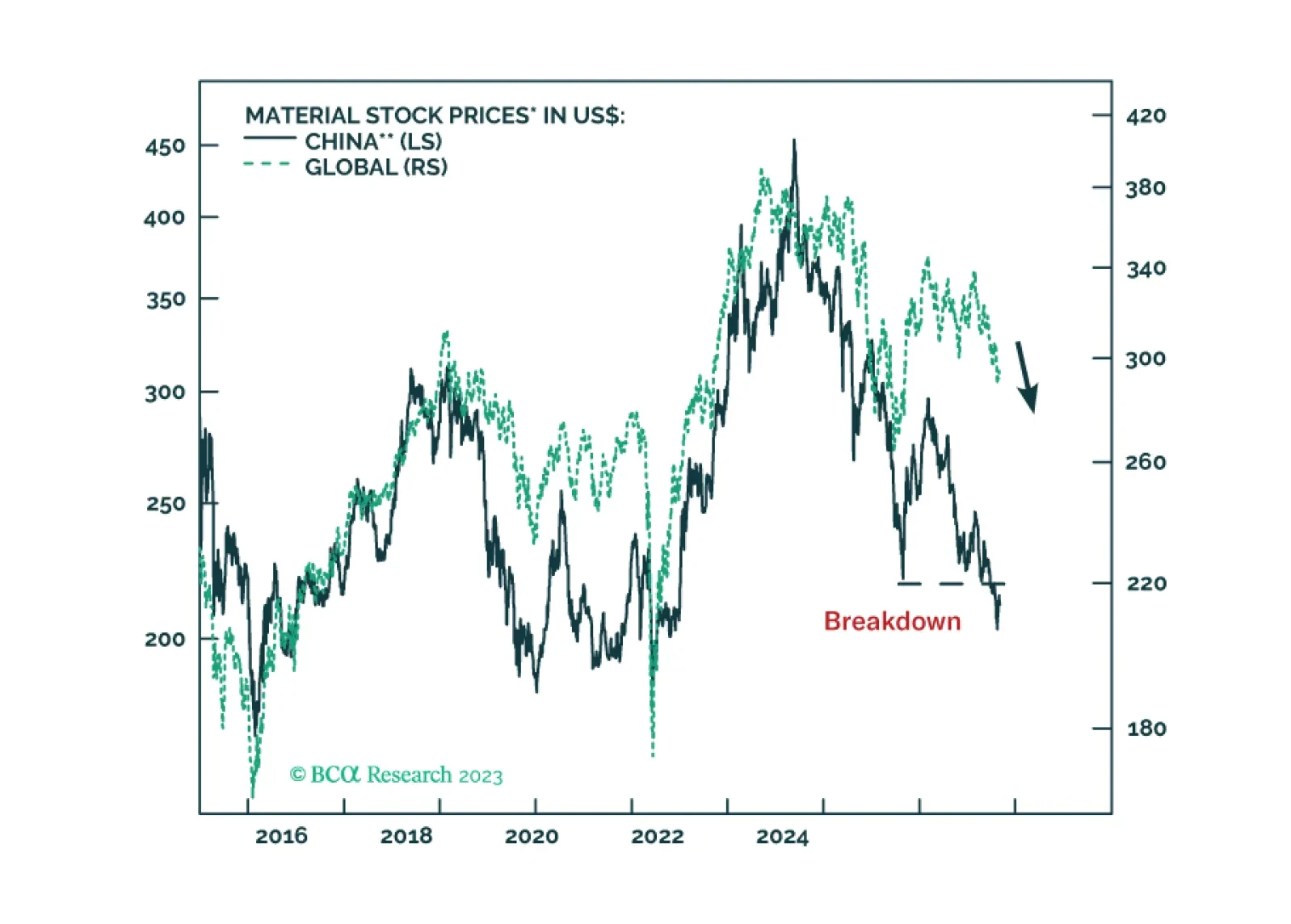
The October update of the Global Manufacturing PMI sent a pessimistic signal about the industrial cycle. The headline index declined from 49.2 to 48.8, indicating a faster pace of deterioration. In particular, the Output, Employment, and New Export Orders…

In financial systems, cracks typically begin on the periphery and then expand to the center. Hence, the ruptures on the fringes often act as an early warning. These fissures tend to widen and spread to the core, causing a breakdown in the S&P 500. Investors should consider buying US Treasurys aggressively when the S&P 500 slips below 4,000.