Euro Area
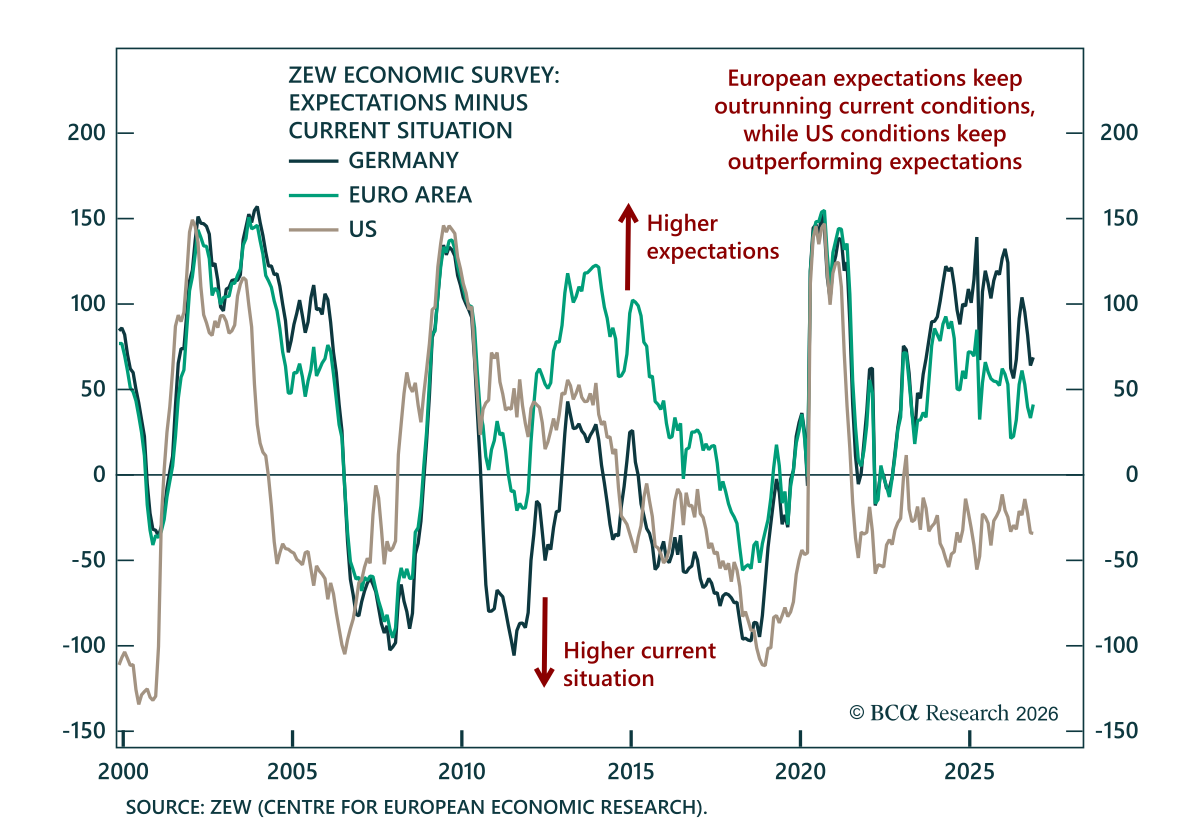
The European November ZEW expectations surprised to the upside, but the assessment of current conditions still points to a soft growth backdrop relative to the US. The Euro Area expectations index rose to 26.5 from 18.5 in October, above the 19.1 consensus.…
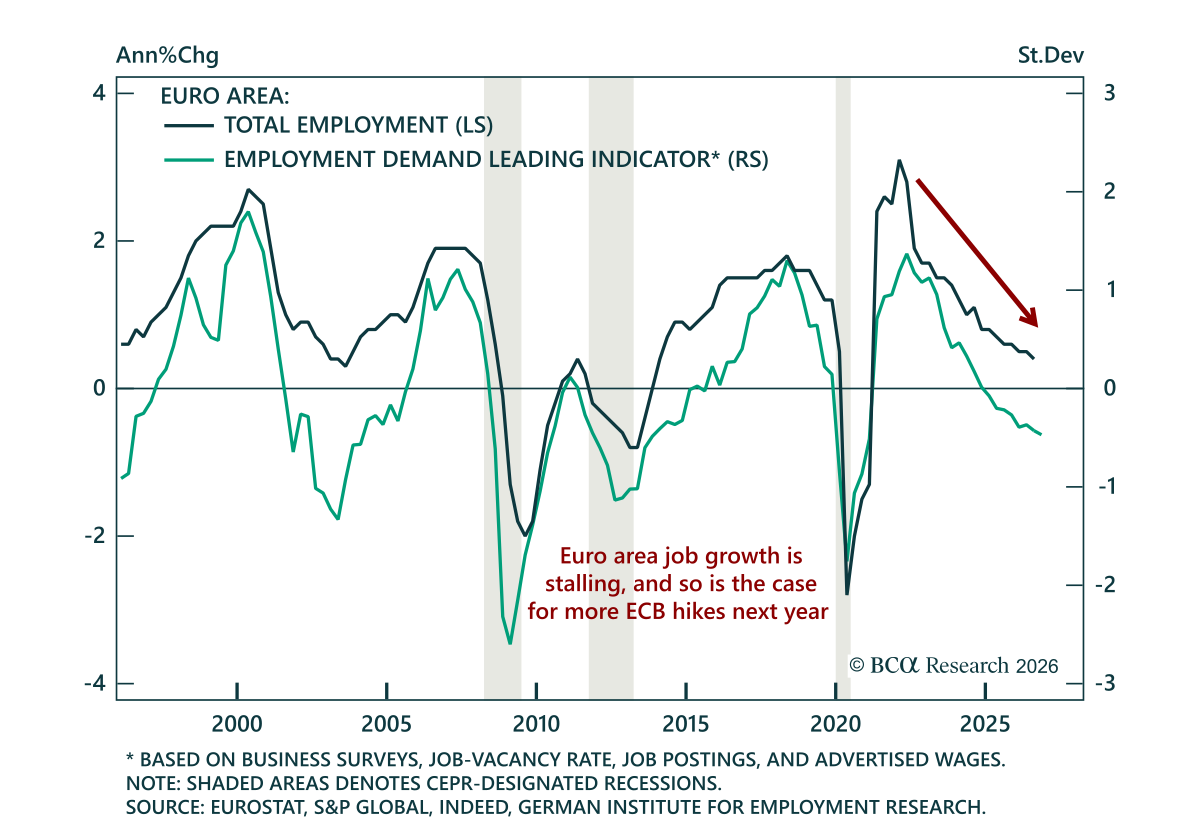
Euro area employment stalled in Q3, confirming a cooling labor market and limited upside risks to wages, making an extended ECB tightening cycle harder to justify. Total employment was unchanged in the quarter after 0.1% growth in Q2, and annual growth…
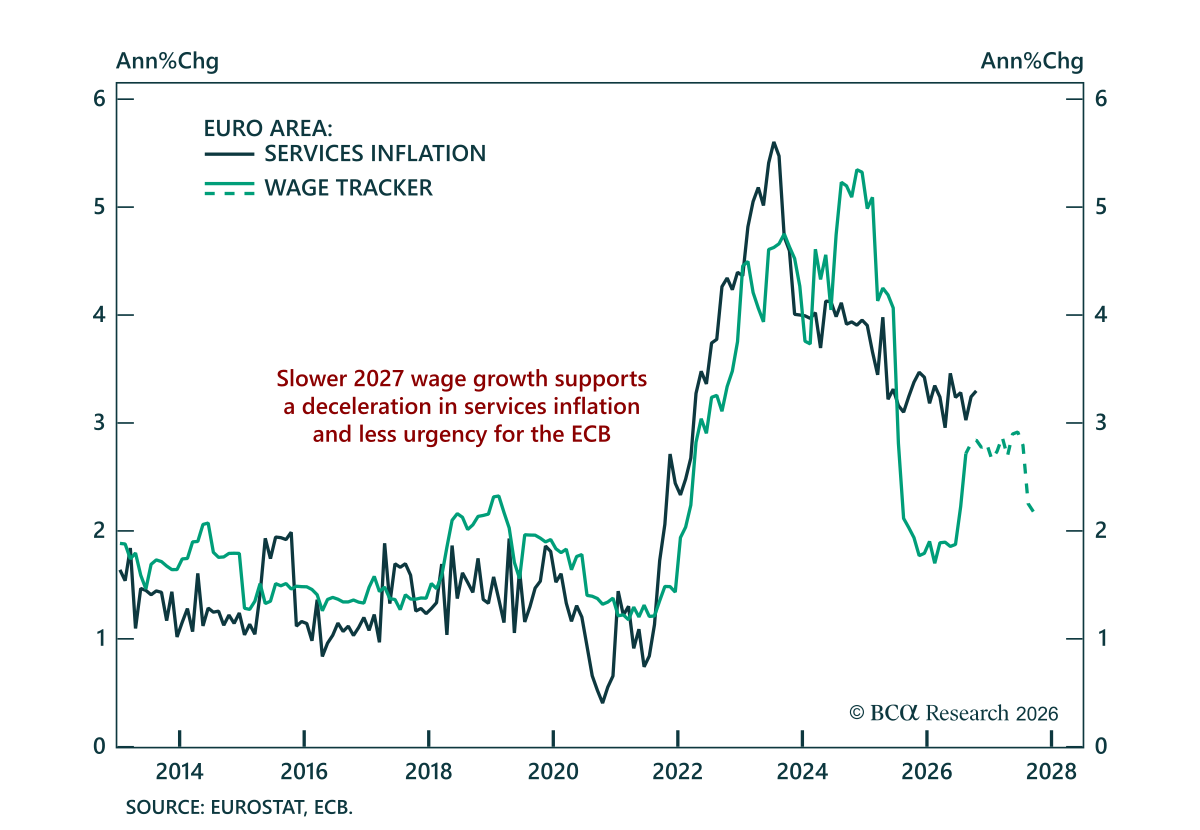
Euro area wage and inflation data reinforce the view that today’s labor dynamics differ from the 2022 energy shock, favoring Bunds over Treasuries. The ECB wage tracker points to continued deceleration in wage growth pressures in 2027, with wage growth…
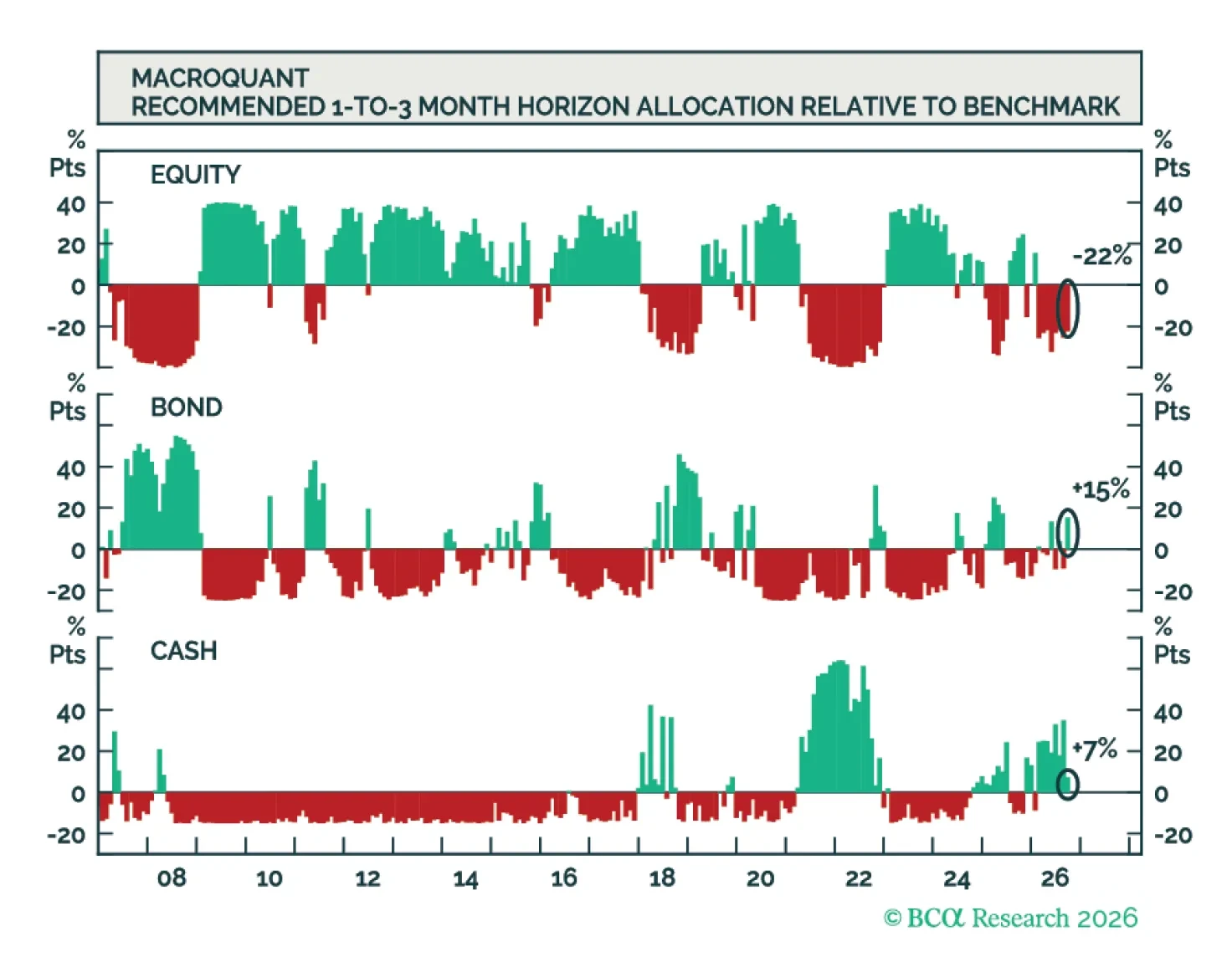
MacroQuant recommends a slight underweight to equities and an overweight to bonds and cash. The model is bullish on the US dollar, negative on gold, very negative on copper, and neutral on oil.
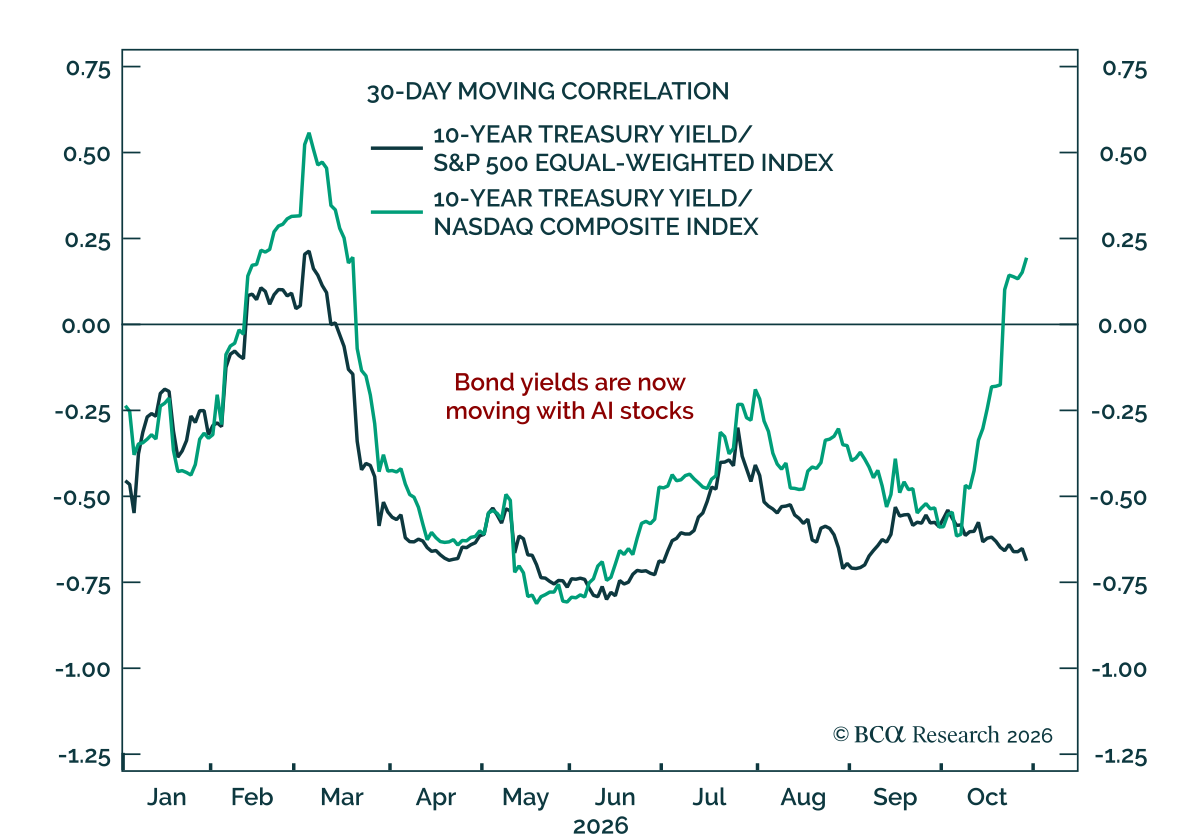
AI equity performance has replaced oil as the main driver of US Treasury yields, setting up a rotation out of AI stocks into the rest of the market. Our Chart Of The Week comes from Ryan Swift, our Chief US Bonds Strategist. Bond yields now track AI stocks…
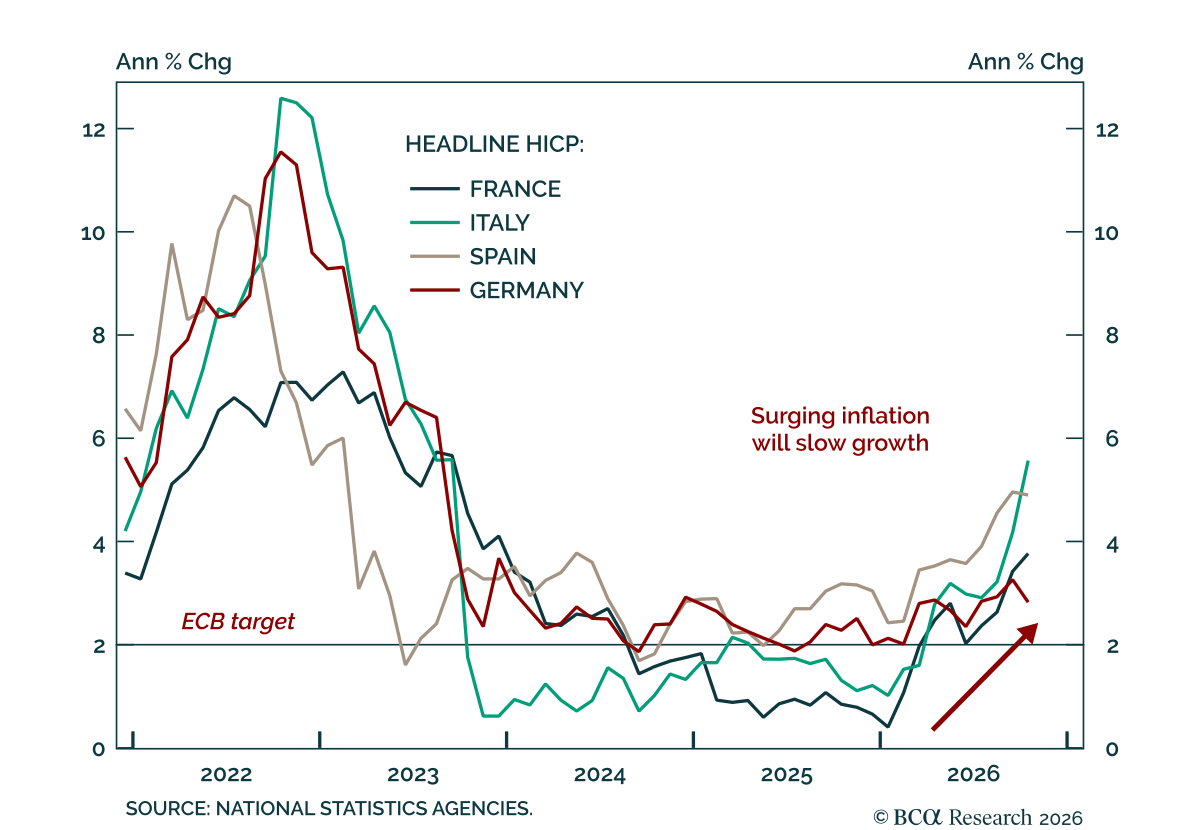
Stronger Q3 euro area growth was likely AI-driven and obscures underlying weakness. Real Q3 euro area GDP came in stronger than consensus expectations. Real GDP grew 1.7% q/q annualized, which was slower than Q2 but meaningfully higher than expectations.…
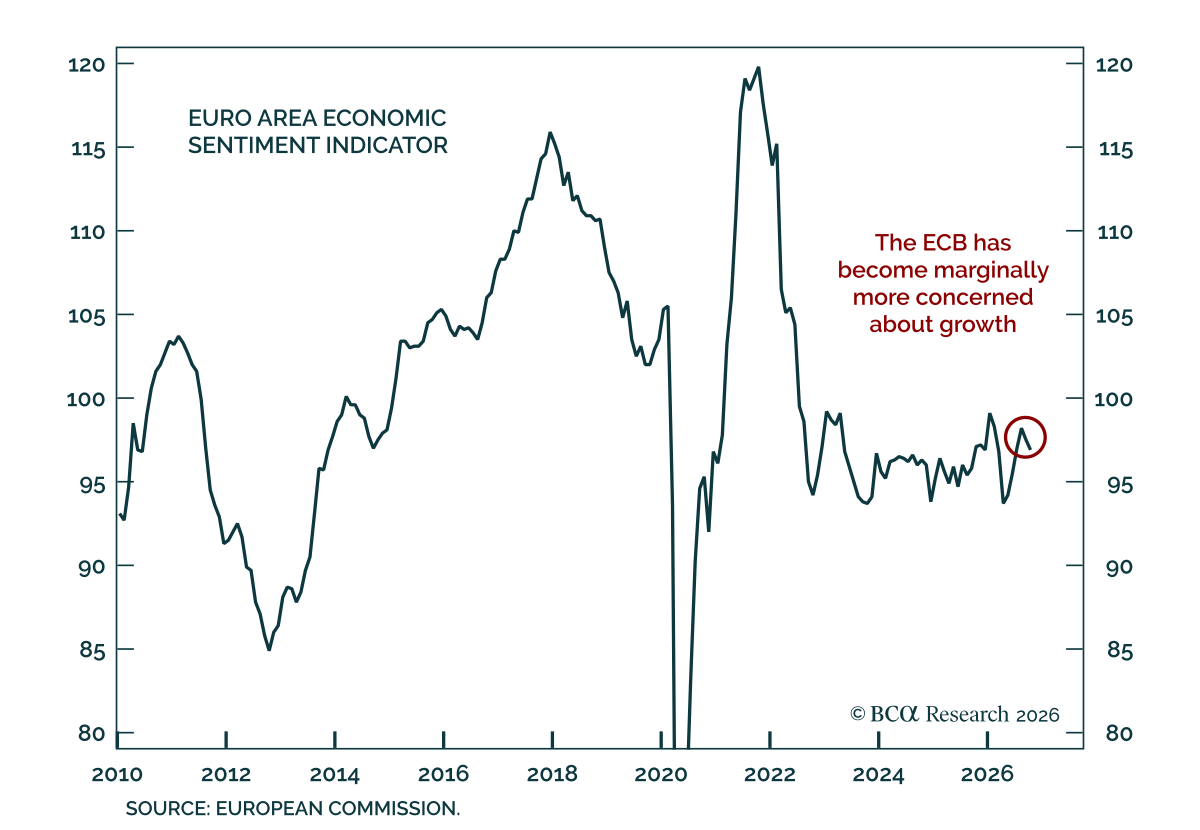
The ECB is unlikely to take interest rates above neutral unless energy prices move meaningfully higher from here. The European Central Bank kept its policy rates unchanged on Thursday, in line with expectations. Compared with June and September, the statement…
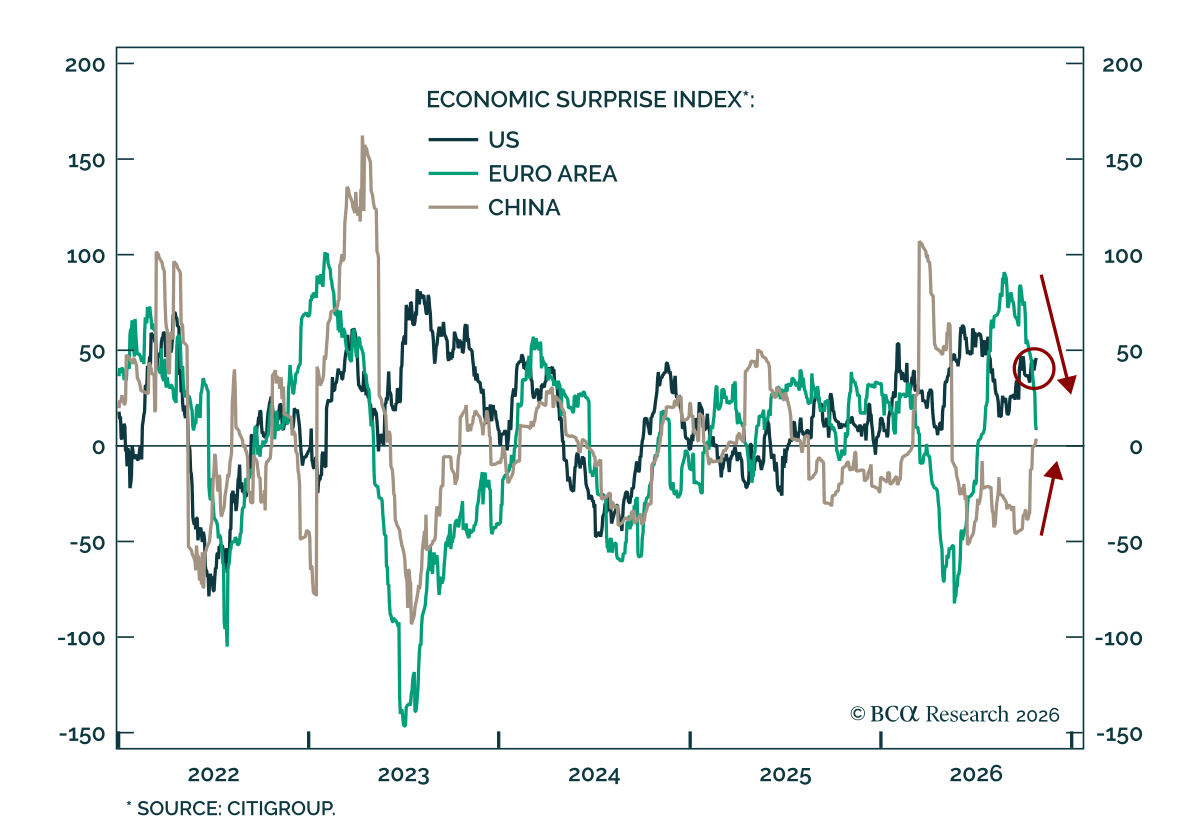
The euro area economic surprise index has declined significantly over the past month. This contrasts with China, where it has improved meaningfully. In the US, the surprise index was mostly unchanged in October but remained solidly in net positive territory.…
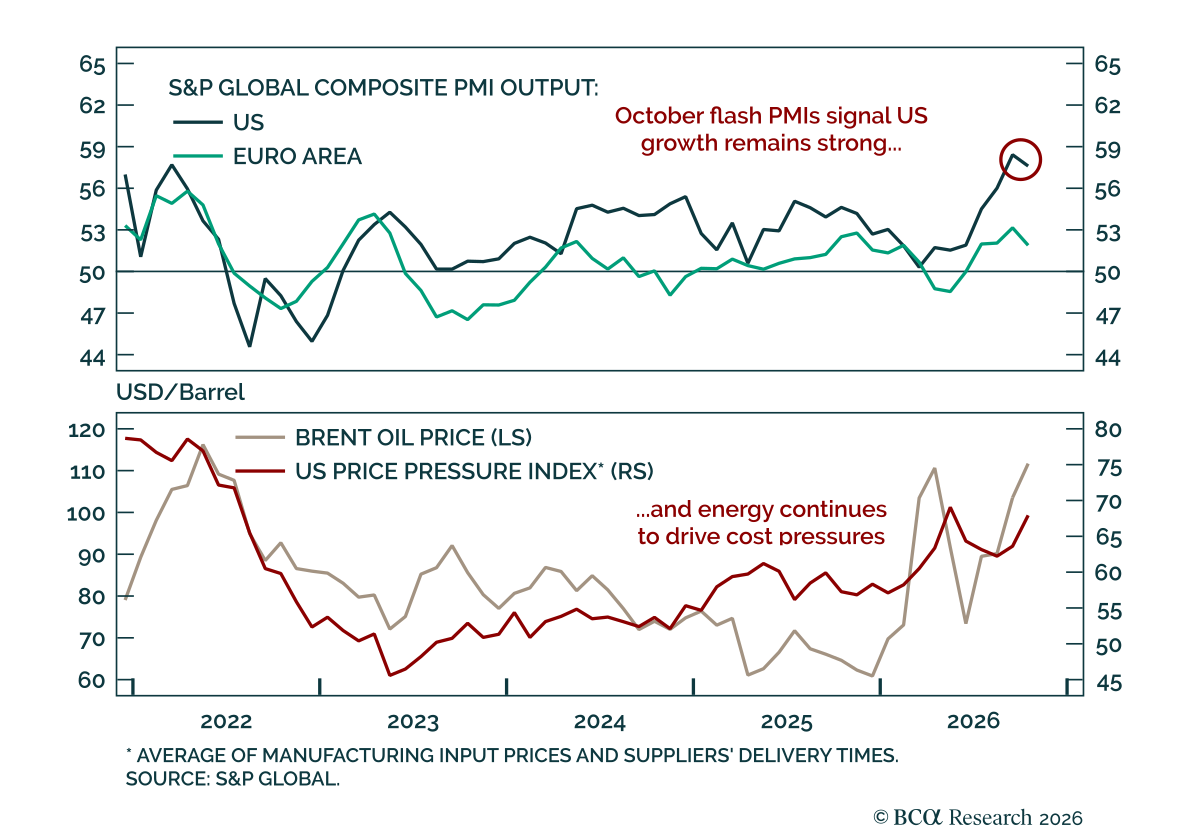
October S&P Global Flash PMIs signal that the US economy continues to show solid momentum, while the euro area growth outlook is softening. The US composite index eased to 57.6 from 58.4, in line with estimates. The manufacturing component surprised on the…
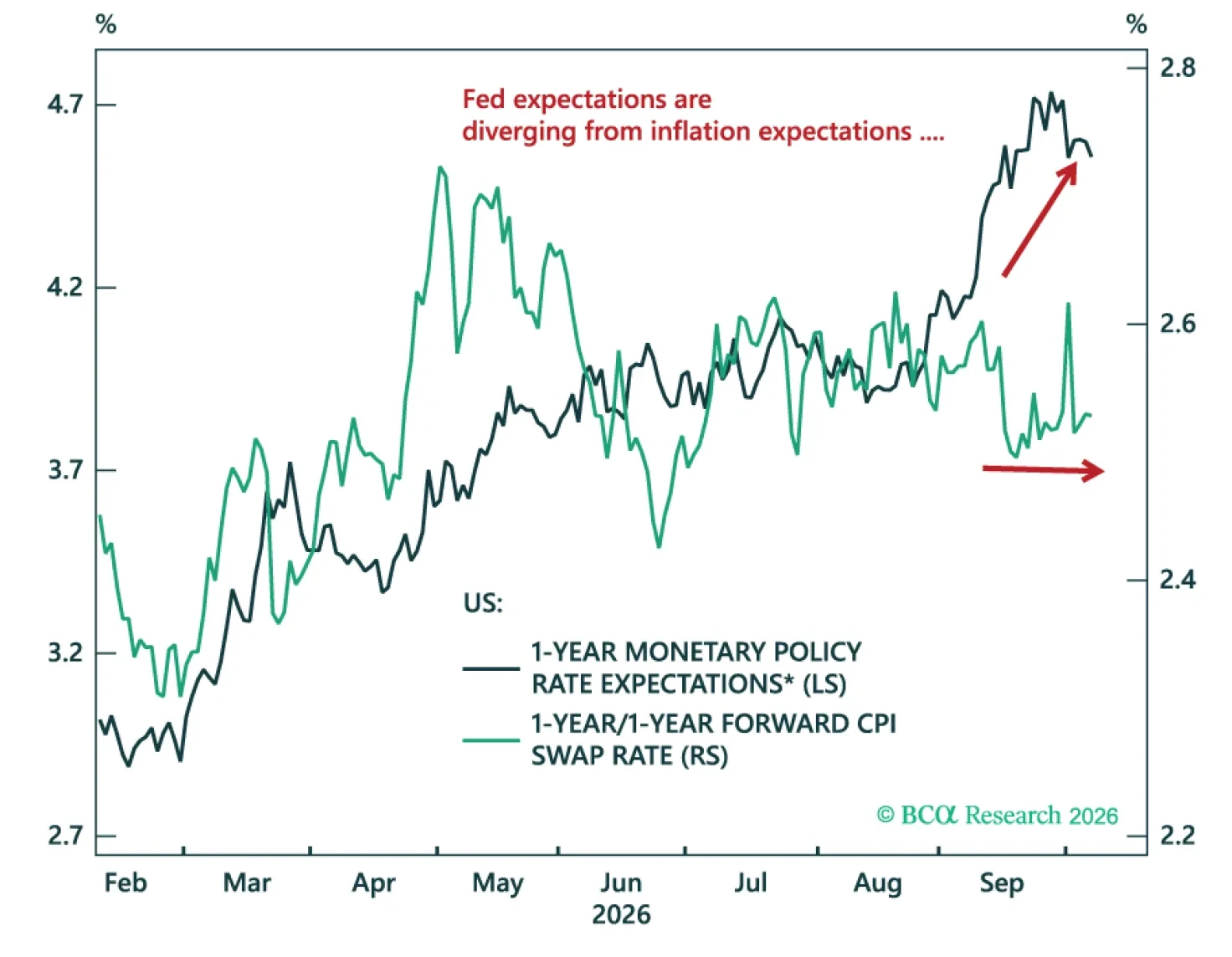
We review our Model Bond Portfolio performance for Q3 and look ahead as energy prices continue to drive fixed income markets. Balanced labor markets point to a mild tightening cycle, creating opportunities in government bonds and credit, while inflation-linked bonds continue offering protection against persistent energy risks.