 Equities
Macro, fundamental, and quantitative analysis translated into actionable equity views across sectors, factors, themes, and baskets.
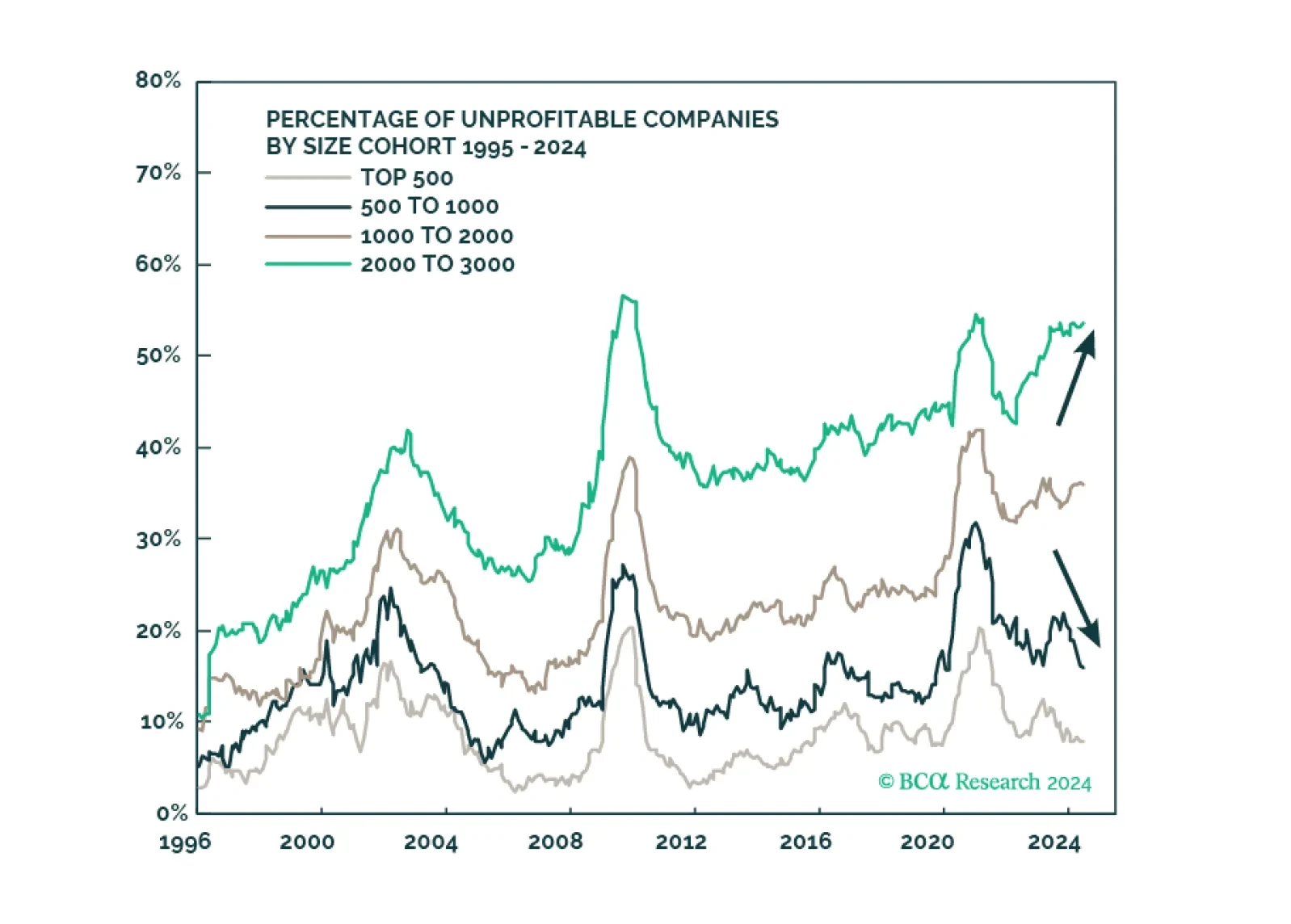
There is a broad-based deterioration of the economic data and a slowdown in consumer spending. On the bright side, inflation prints are better behaved. Rate cuts appear increasingly likely, but they won't stave off a recession. It is time to take profits from the GAI-related industries and bolster the defensive properties of the portfolios. Position for rate cuts.
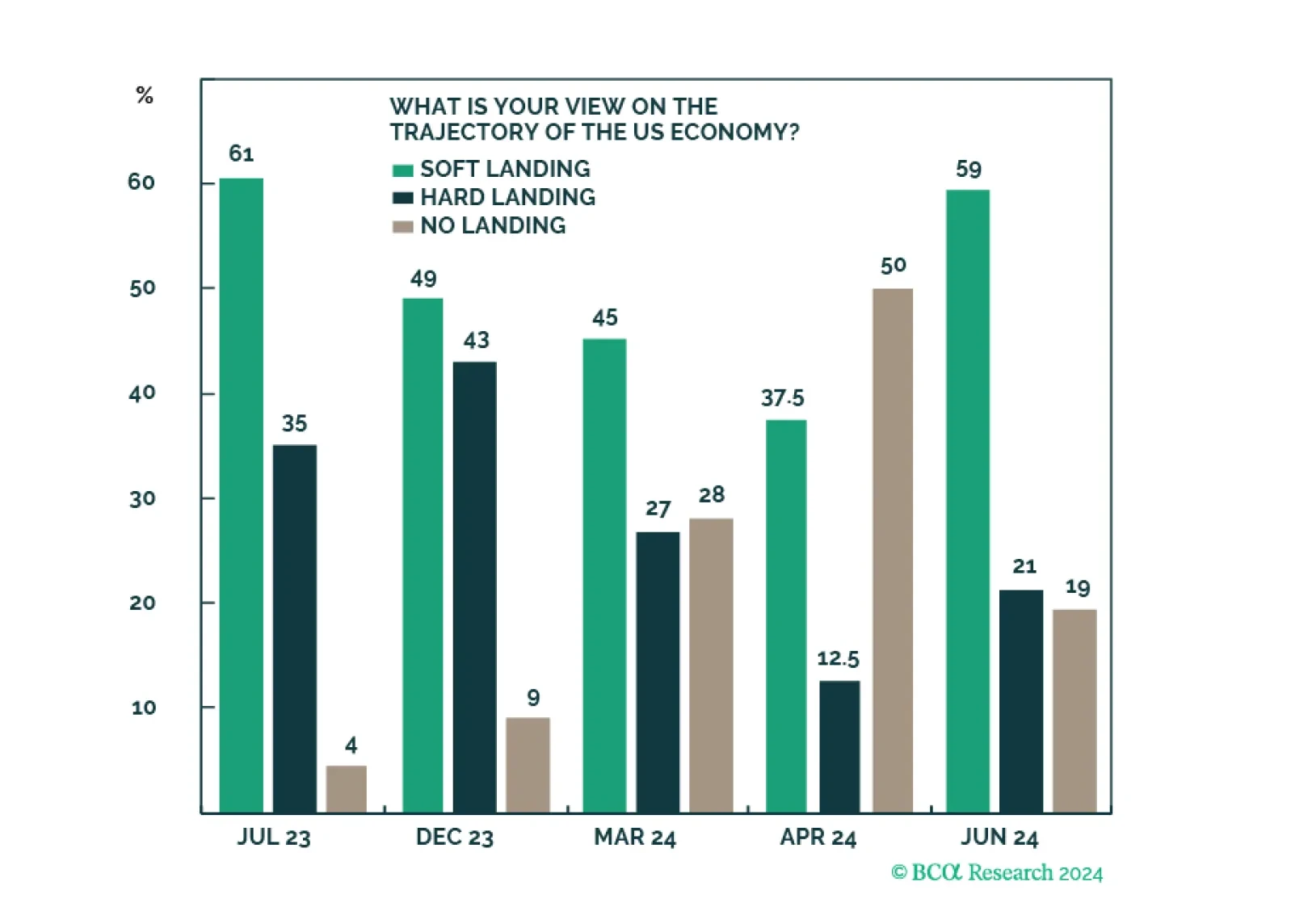
Investors are increasingly more optimistic about the trajectory of the US economy and believe that the “Fed put” is in play limiting the downside. While the majority still have cash to put to work, many are waiting to see if the rally broadens thanks to earnings rebound across non-GenAI sectors. Fairly conservative positioning and expectations of the rangebound markets point to a consensus view that the market may be fully valued, and a soft-landing outcome along with rate cuts, are priced in.
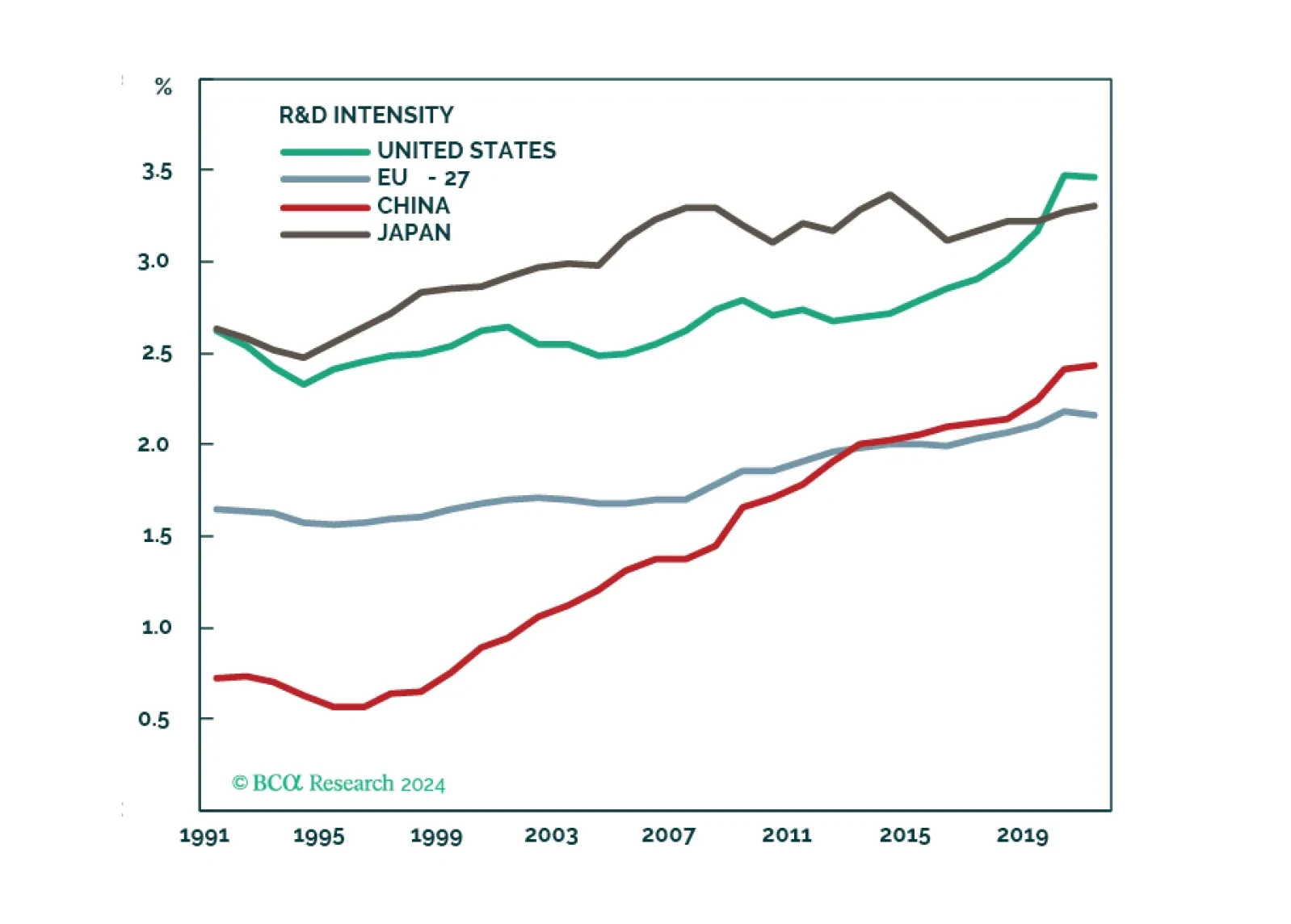
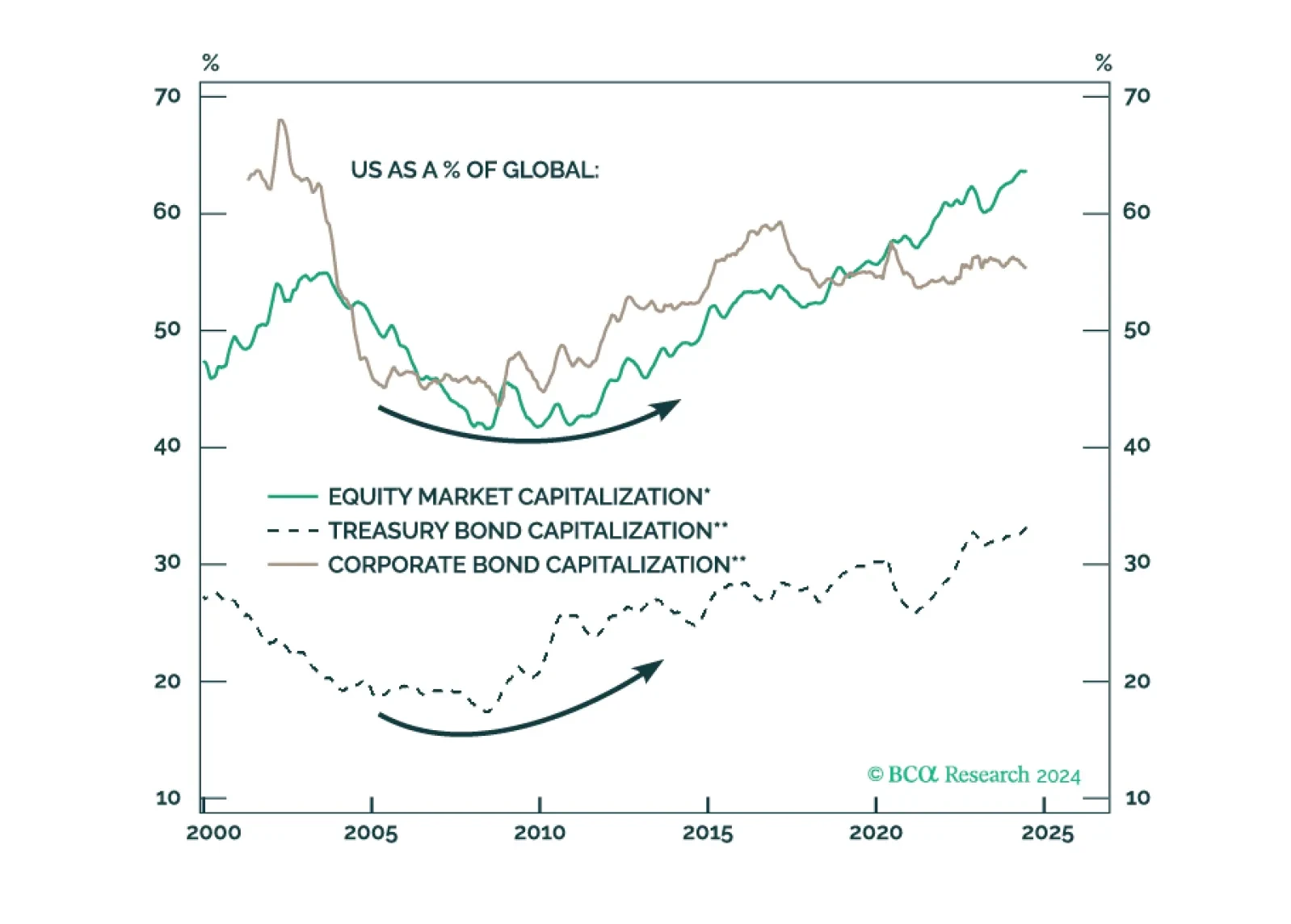
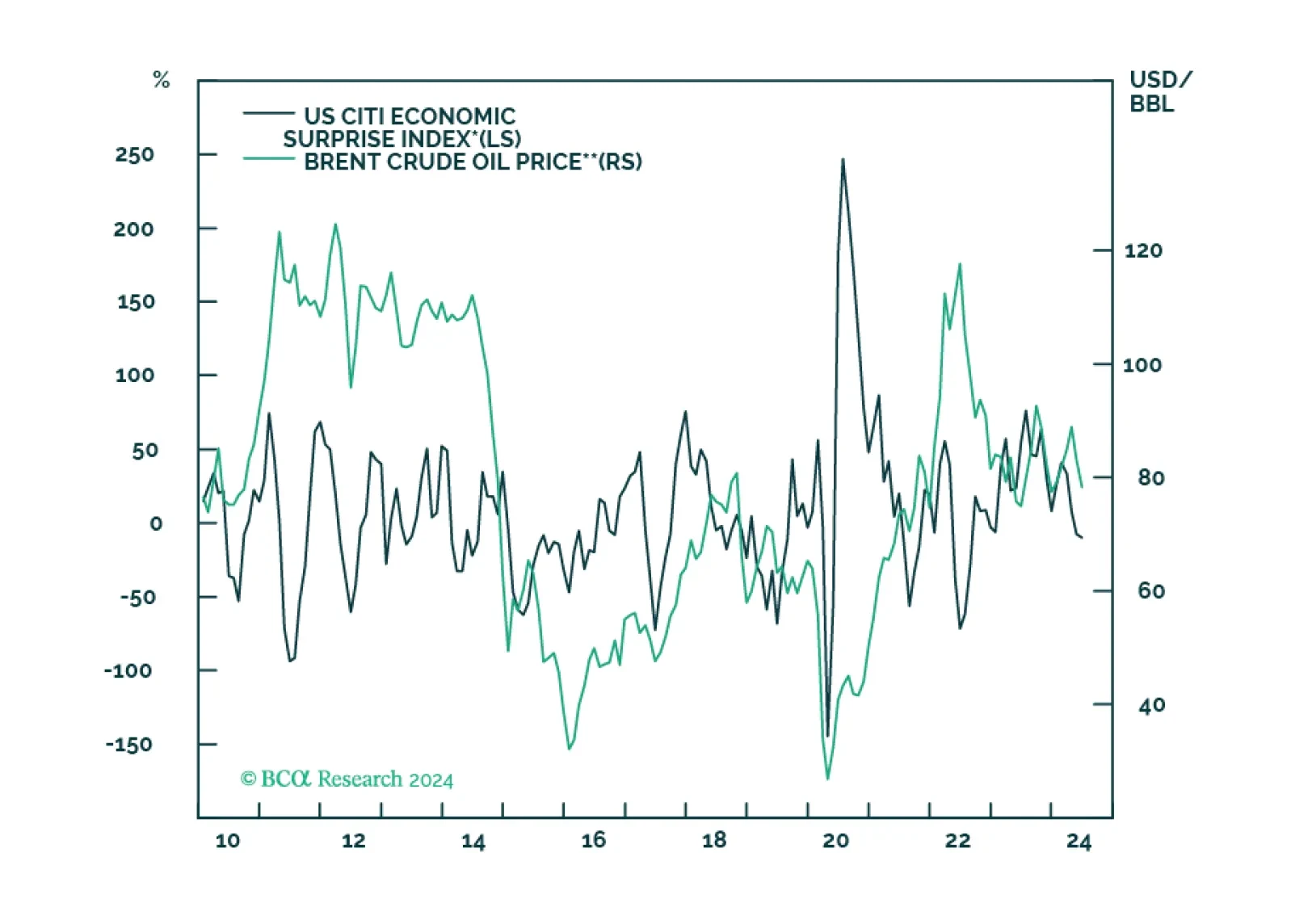
We close our overweights to Energy and Aerospace & Defense. The macroeconomic backdrop is deteriorating for Energy. As for A&D, the good news is already priced in.
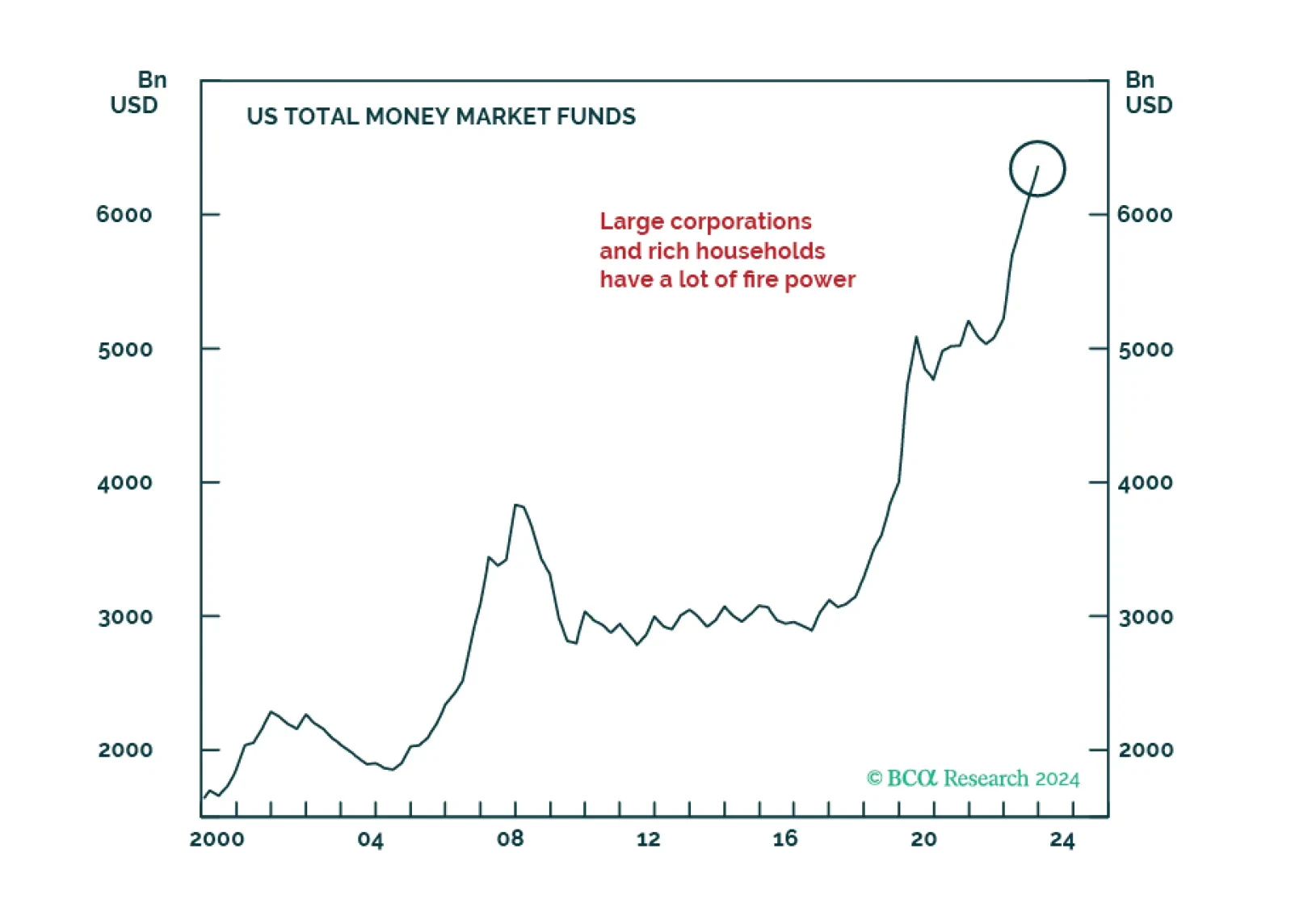
Generative AI-related rally resumed in May. Much of the recent market gains are down to excess liquidity that was begotten by the massive pandemic stimulus, creating a dichotomy between multiple economic challenges and exuberant markets. The Fed is unlikely to step in to prevent the bubble as it is currently more worried about the near-term downside for growth than financial stability.
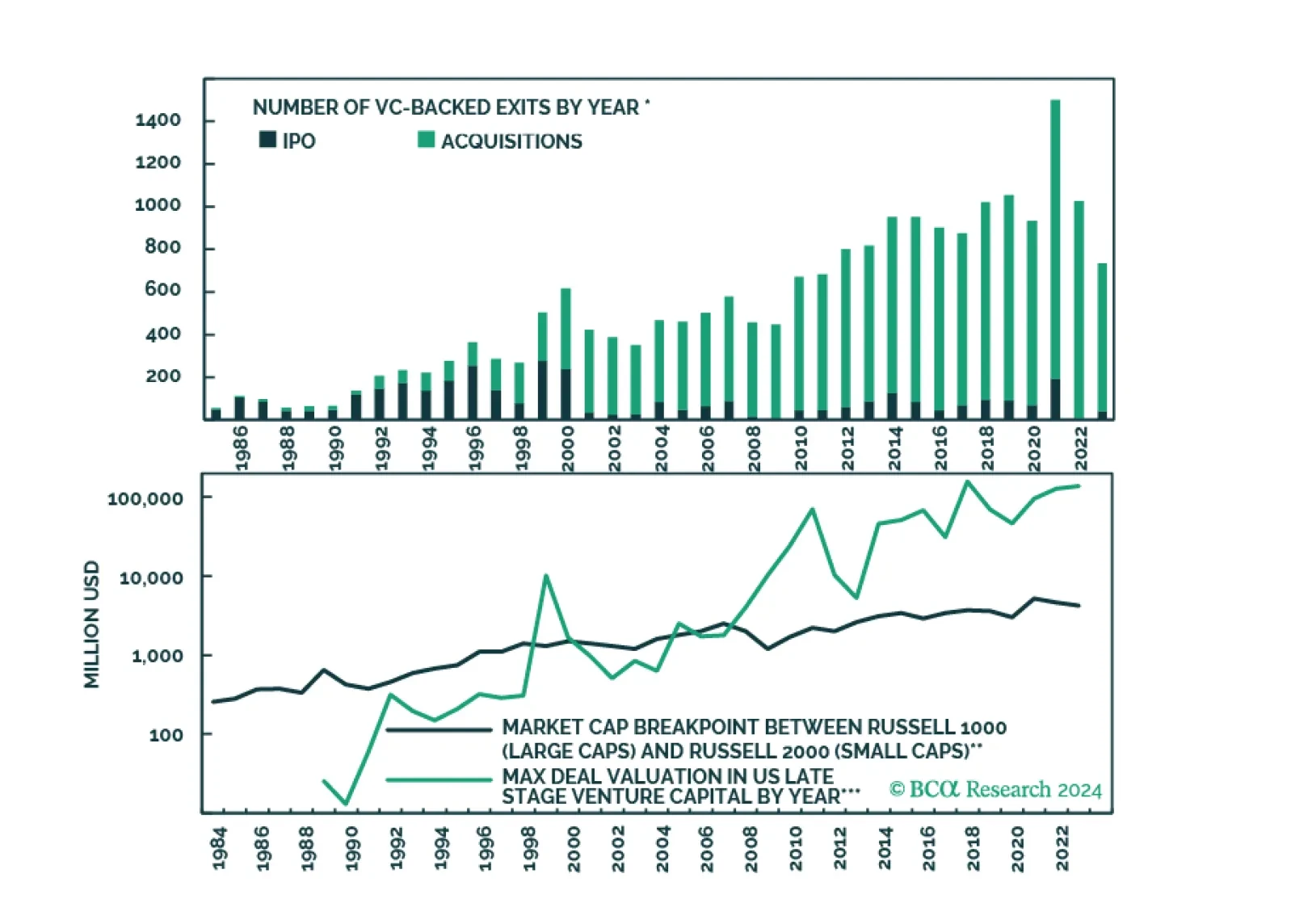
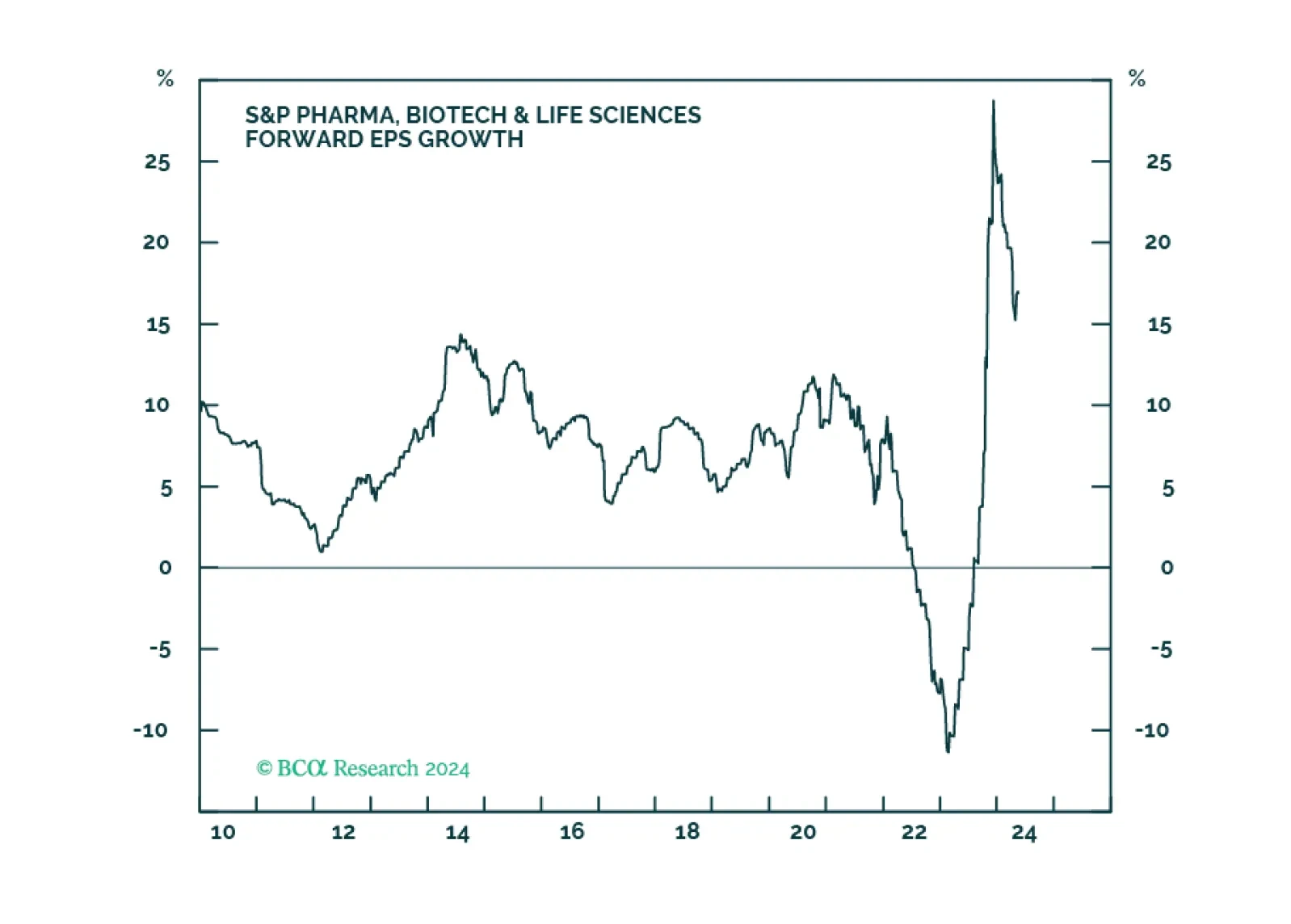
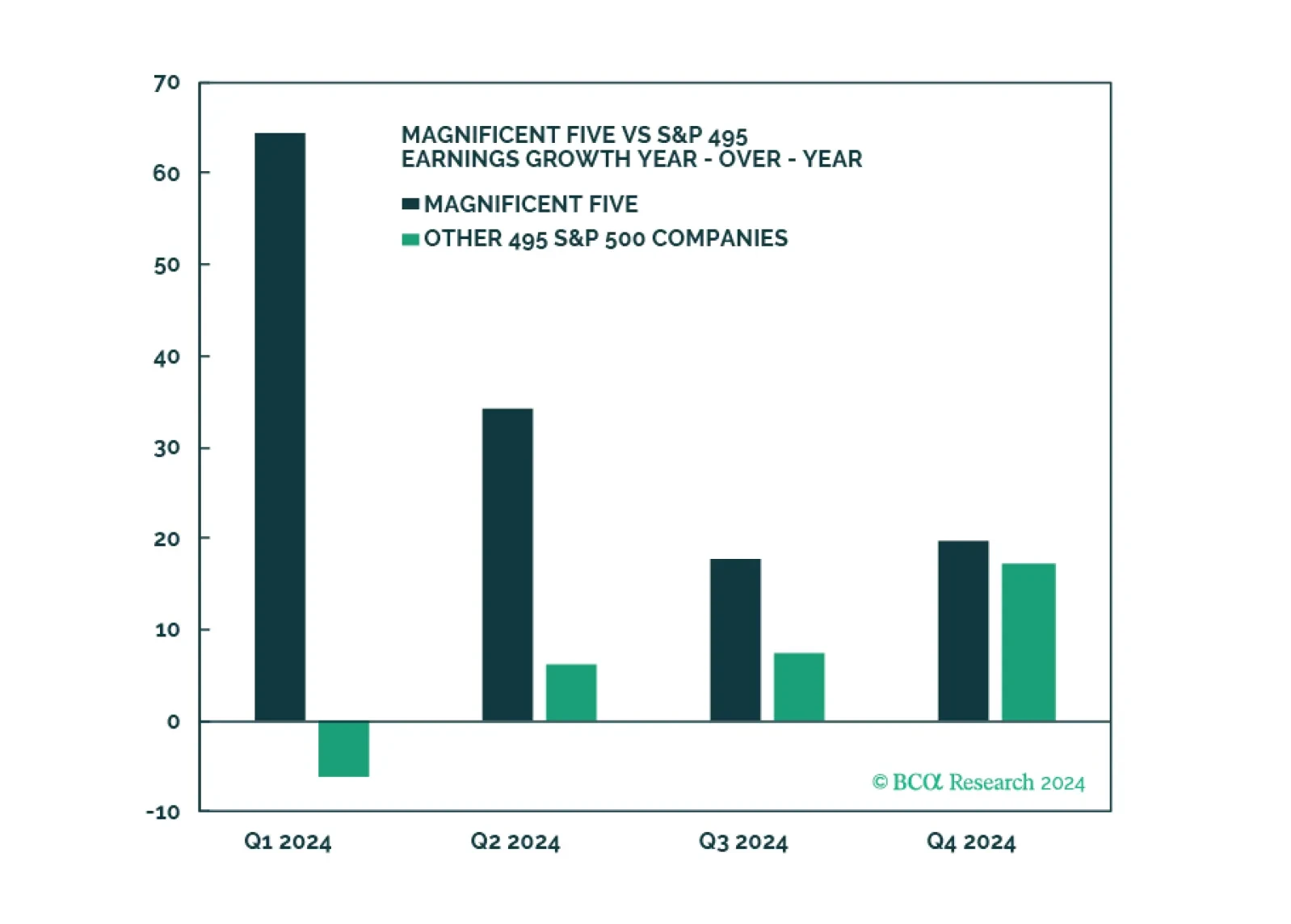
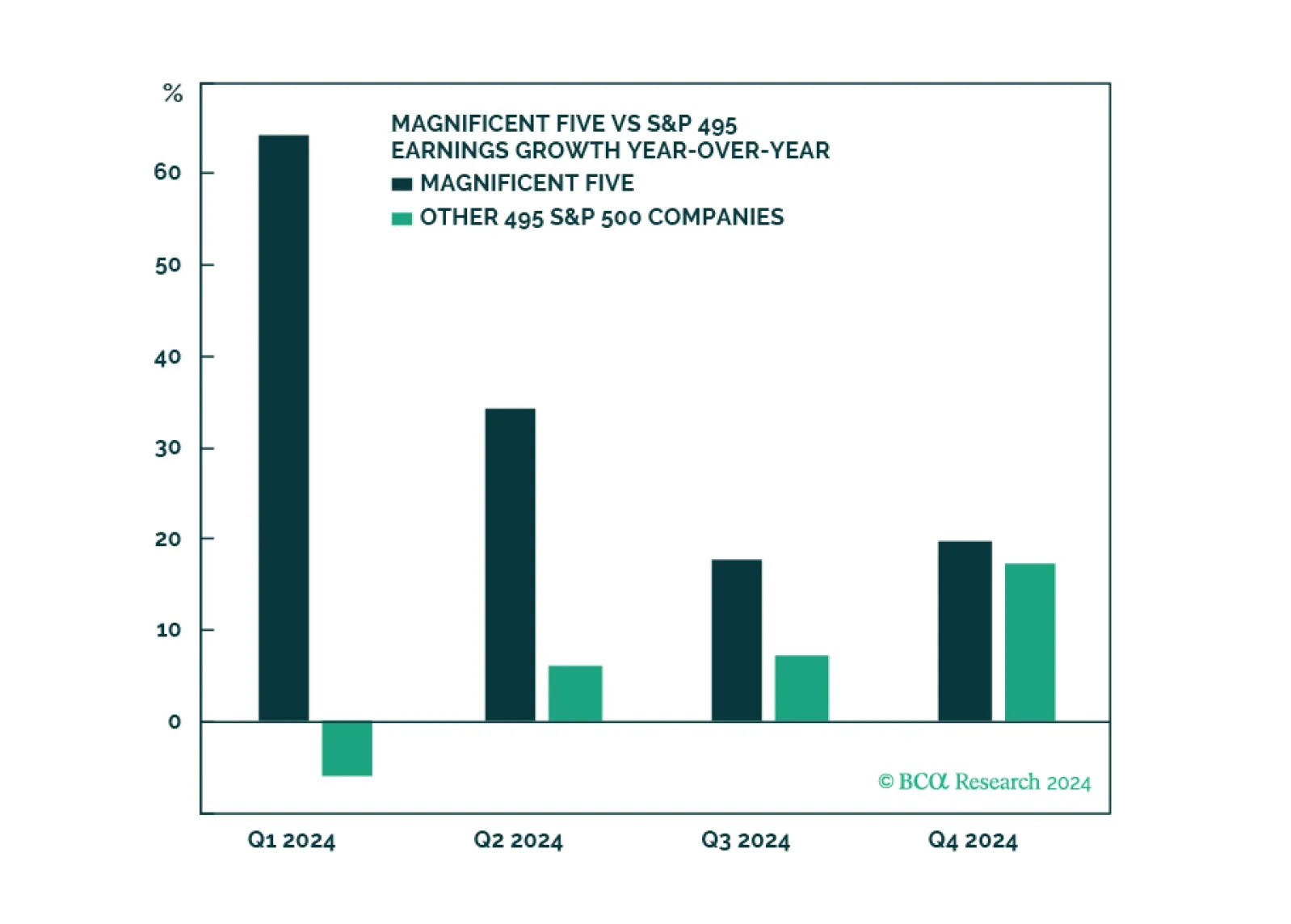
Q1 Earnings and sales growth were strong, but the devil is in the details: Without the Magnificent Five, earnings growth for the index would have been negative. On a positive note, margins have stabilized, and earnings growth is expected to broaden into yearend. Companies are optimistic about the economy. Development of AI applications is in full swing, but few companies are monetizing them yet. Consumer spending is strong but is slowing. We reiterate our underweight of consumer sectors, and overweight of Software and Services as the “don’t fight AI” adage holds.